Calabaza En Tacha or Mexican Candied Pumpkin
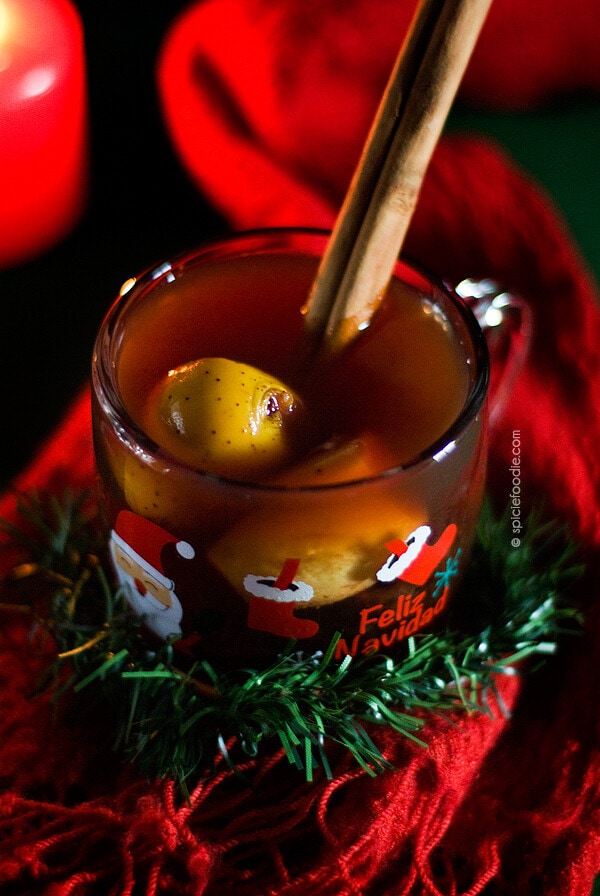
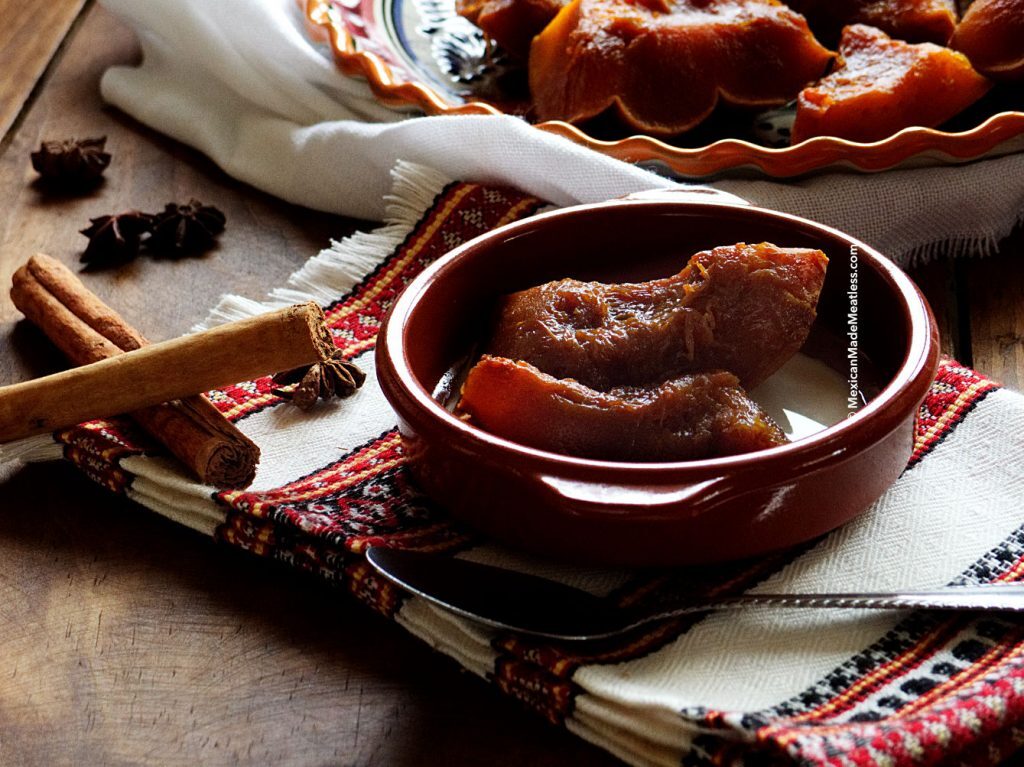
Celebrate Día de los Muertos with a warm bowl of calabaza en tacha, a traditional Mexican candied pumpkin recipe that’s as beautiful on your altar as it is delicious on your table. This comforting dessert is made by slowly simmering pumpkin in a rich piloncillo syrup infused with cinnamon, orange, and aromatic spices.

Served warm, drizzled with milk or cream, and bursting with cozy fall flavors, calabaza en tacha is a seasonal treat you’ll want to make all autumn and winter long. Whether you prepare it as an ofrenda (offering) for loved ones on the Day of the Dead, or simply to enjoy on a cool evening, this classic Mexican recipe is a sweet way to honor both tradition and the flavors of the harvest season.

What is Calabaza en Tacha
In Spanish, calabaza means “pumpkin”, and tacha refers to the large copper cauldrons traditionally used to make piloncillo (unrefined cane sugar). Over time, pumpkins cooked in these syrup-filled cauldrons became known as calabaza en tacha.
This beloved dessert dates back to pre-Hispanic times, when indigenous peoples sweetened pumpkins with maguey sap before placing them on altars for ceremonial offerings.
After the arrival of the Spanish, piloncillo became the sweetener of choice, and the tradition evolved into the version we enjoy today, tender pumpkin pieces bathed in a spiced syrup of cinnamon, cloves, and orange peel.
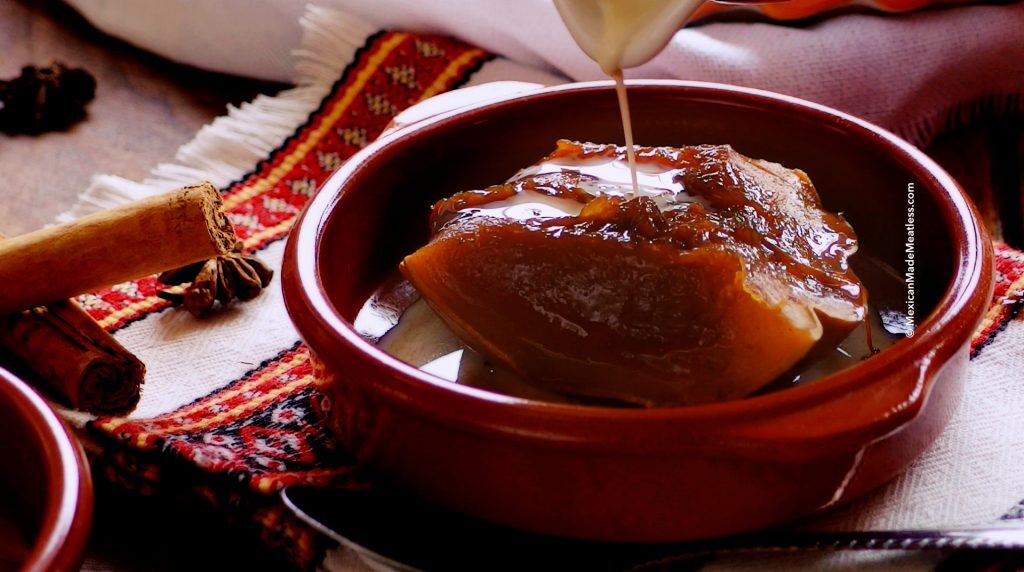
Across Mexico, calabaza en tacha is also called calabaza endulzada, dulce de calabaza, or calabaza en dulce.
It’s typically served warm or at room temperature, sometimes with a drizzle of evaporated milk, cream, or even sweetened condensed milk.
However you serve it, this is one of those simple yet soul-satisfying desserts that carries both flavor and history in every bite. It’s one of my favorite ways to enjoy pumpkin season. I think you’ll love it too!
(By the way this is also how I love to make my Mexican candied sweet potatoes. Get that recipe here.)
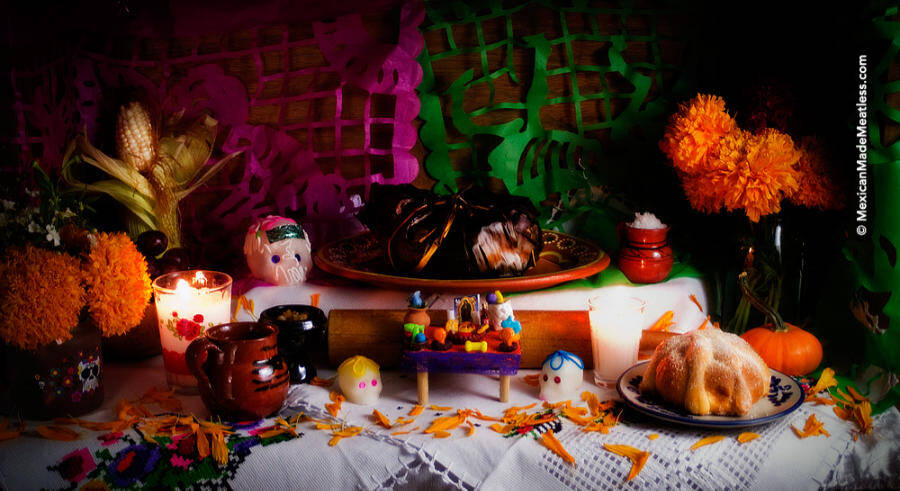
Pumpkin or Calabazas as Part of Day of The Dead Altars
Calabaza en tacha, or Mexican candied pumpkin, is a seasonal sweet that forms part of the traditional food of Día de Muertos. As does pan de muerto and mole.
Day of the Dead is celebrated from the 30th of October to the 2nd of November every year. It’s a very special holiday and among the most important cultural heritages of Mexico.
Dia De Los Muertos is a day meant for honoring, celebrating and remembering loved ones no longer on this Earth.
If you want learn more about this important Mexican holiday and how to make an altar read my step-by-step guide titled “How to Make a Dia de Los Muertos Altar.“
Traditional Dia de Muertos altars are decorated with photographs, candies such as sugar skulls, flowers, personal mementos, drinks, breads, cookies, and sweetened pumpkins. Additionally a special meal is cooked just for the departed.
These items all have special significance and are called ofrendas, literally, offerings.
Pumpkins (along with corn, beans and chilies) were highly prized staples of the indigenous diet. They were always included in ceremonies and festivities.
Needless to say, calabazas are still included in the altars even today.

Ingredients Used to Make Calabaza en Tacha
The most traditional ingredients for this Mexican pumpkin recipe are quite simple. They are pumpkin, orange peel, cinnamon sticks, piloncillo , and water.
My easy to follow recipe includes those plus a few other spices to give it a deeper aromatic flavor and scent. For me, it creates a slightly more autumnal aroma and taste.
Though my recipe differs just a bit from the traditional, it’s my own special way of cooking pumpkin for my Day of the Dead celebration in my home. I love it like this, but you are free to omit what you don’t want to use.
Pumpkin: The most popular varieties to use in Mexico are the calabaza de castilla or castile pumpkin. But you can also use fairytale pumpkin or cinderella pumpkin. Check the section below for more pumpkin tips.
Piloncillo: This is a dark brown unrefined or raw sugarcane sugar. It’s a dark brown sugar, with a sweet smell, and has a similar taste to molasses. Other Latin American countries call it panela.
Cinnamon: I like to use Mexican cinnamon sticks that you’ll find labeled “canela” at the Mexican food stores. Or you can also find it as Ceylon cinnamon. If you can’t find it you can use cassia cinnamon which is thicker.
Other Spices: I like to use star anise or anise star, whole cloves, allspice, and a pinch of salt, which helps draw out more flavor. Additionally, though not traditional in Mexican cooking, I occasionally add a pinch of ground cardamom or one whole crushed pod, though this is completely optional.
Orange Peel or Orange Zest: This adds a nice touch of tartness to the sweet flavor and it pairs wonderfully.
Water: Needed to simmer the pumpkin and other ingredients to make the syrup.
Ingredient Variations & Substitutions
If you don’t have access to piloncillo you can substitute it by combining dark brown sugar and molasses.
For the pumpkins in a pinch if you don’t have any of the varieties mentioned above you can use regular sugar pumpkin also known as pie pumpkin.
For a stronger sweet-tart orange flavor you could add freshly squeezed orange juice.
Certain Mexican regions also add guavas and sugarcane to the pumpkin.

What Types of Pumpkin to Use
In Mexico traditionally we use calabaza de castilla known in English as castilla pumpkin or castile pumpkin.
But you can use any kind of pumpkin you’d like. As long as it’s fresh pumpkins you’re good. I’ve previously used the same type of pumpkin used to make jack o’lanterns, sugar pumpkins, and red kuri or Hokkaido pumpkins, all with delicious results.
Once you’ve chosen the pumpkin you’d like to use, simply cut it into even large pieces -not too big, they need to fit comfortably in a large pot. You can cut in any shape you’d like. Some people like larger slices and others smaller ones. It’s up to you.
One thing for sure is that you don’t have to either peel nor remove the pepitas or pumpkin seeds. Leave it all in there if you’d like. The seeds are edible.

How to Make Mexican Candied Pumpkin
Before the arrival of the Spanish pumpkins were sweetened with maguey sap before being placed on the altar. After the arrival of the Spanish the technique for sweetening the pumpkin changed.
The pumpkin was cooked in the same caldrons, or tachas, that were used for processing the sugar from the harvested sugar cane. The piloncillo or that sweet molasses residue is what helped sweetened the pumpkins.
The pumpkins were then simmered alongside other fruits and spices. This would become the calabaza en tacha we still know and love today.
Modern day calabaza en tacha recipes vary from family to family and across the many regions of Mexico.
We could say that each family adapts the recipe to their liking, and that is exactly what I have done, adapted it to my liking.
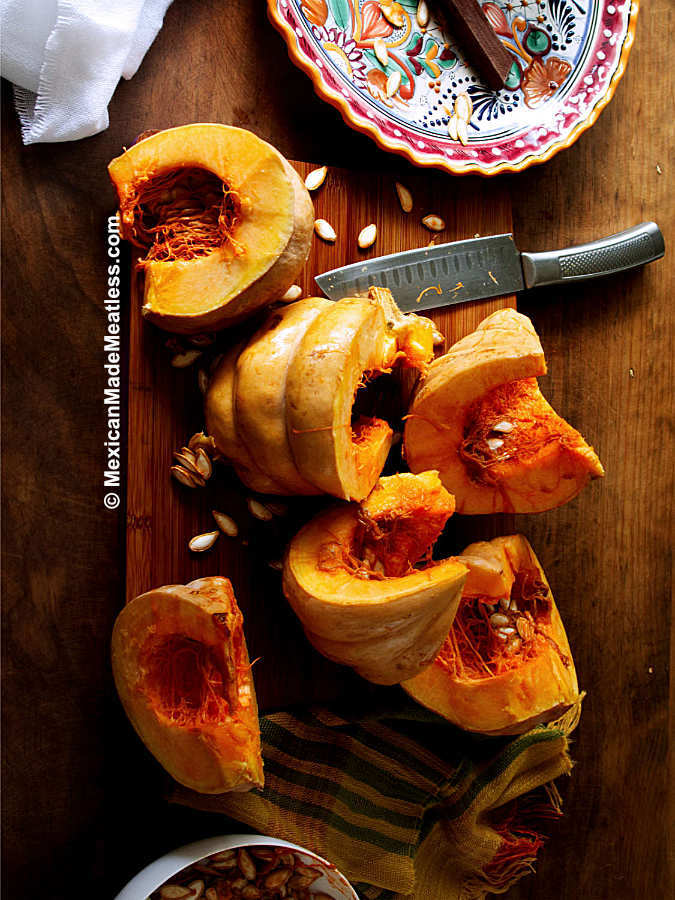
Step One: Prepare the Pumpkin
Thoroughly rinse, clean, and pat dry the pumpkin. Cut it into even sized pieces or wedges, and remember you can leave the pumpkin seeds if you’d like. Make small incisions on the pumpkin to help it absorb more flavor.

Step Two: Prepare The Spiced Broth
Pour the cups of water into a large pot or Dutch oven. Then add the piloncillo, orange peel and juice if using, and all of the spices and salt. Bring to a light boil and stir often to help break down the piloncillo.

Step Three: Cook The Pumpkin
First make sure the piloncillo has completely dissolved into the water. Then arrange the pumpkin pieces with the flesh side down and the skin side up in one even layer. Place the next layer flesh side down. If needed add another layer repeating

Step Four: Simmer
Cover the pot and simmer over medium low heat until the pumpkin is fork tender. You should also flip the pieces over at least once during cooking, to make sure they all get coated with the spiced syrup.

Step Five: Make The Piloncillo Syrup
I love to use the leftover simmering liquid to drizzle over the pumpkin for extra flavor. So I make a thick syrup with it by first removing the pumpkin pieces and straining out the whole spices. Then I simmer and stir often until the liquid has thickened into a thick syrup.

How to Serve Mexican Candied Pumpkin
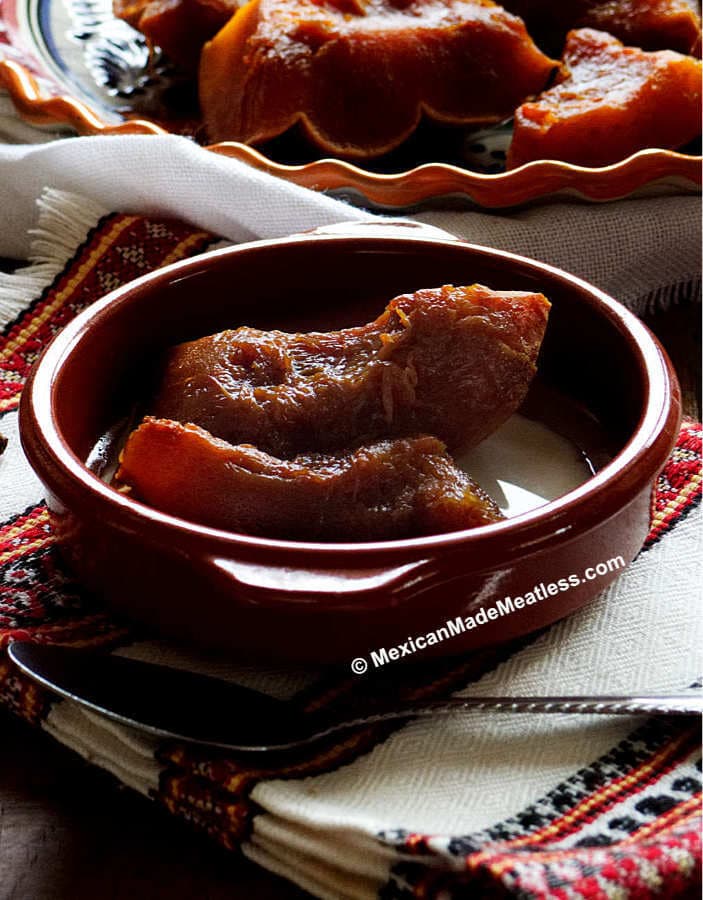
Place a couple of pieces in a small shallow bowl. Drizzle with some of the pumpkin piloncillo syrup. Then pour some room temperature evaporated milk or regular milk over the pumpkin pieces.
Please note that you can use any warm milk of your choice. I’ve used vegan evaporated milk and plant-based milks like soy milk, almond milk, and oat milk.

For a more decadent treat you could use sweetened condensed milk, cream or whipped cream instead of the milk. Another fun modern way to serve would be with vanilla ice cream.
Serve as a Día de los Muertos dessert or snack or some people like to eat calabaza en tacha for breakfast too. Coffee makes a great drink for this Mexican candied pumpkin.
Other Ways to Serve Calabaza en Tacha
This sweet and tender pumpkin is so incredibly delicious as is, but I’ve discovered more delicious ways to eat it and some great ways to use up any leftovers.
Empanadas: You can scrape away the pumpkin flesh from the peel and mash it up to make pumpkin empanadas. Add more spices if you’d like or even some butter would be a nice addition. You can use store bought pie crust or empanada discs to save some time.
Pumpkin Pie: Another delicious use for this pumpkin would be to make pumpkin puree to make pumpkin pie with a Mexican touch. Simply adjust the spices to your taste.
Oatmeal: When I have leftover calabaza I LOVE to top my oatmeal with a few pieces. Additionally instead of sugar, I use the spiced piloncillo syrup to sweeten it.
Pancakes & Waffles: You could mix in some mashed pumpkin into pancake and waffle batter.
Spiced Piloncillo Syrup: I love to use the leftover spiced syrup to drizzle over pancakes and waffles, as well as use it to sweeten my morning coffee. It’s so delicious! (Not Mexican, but you’ve got to try this Pumpkin Spice Syrup by Moon and Spoon and Yum.)

What Does Calabaza en Tacha Taste Like
You will find that the spices permeate the calabaza slices perfectly to create an aromatic and soothing touch to your senses.
While silky creaminess added by the evaporated milk is the perfect complement to the sweet and tender Mexican pumpkin recipe.
Then, to finish it off with an extra pop of sweet aromatic flavors, comes the drizzling of the syrup over the slices.
Truly a wonderful treat to not only honor the spirits of our loved ones, but to also enjoy the best of this quintessential fruit of autumn.
This Mexican dessert tastes delicious the day you make it, but will taste even better the next day.

How to Store and Reheat
Allow leftover pumpkin to come to room temperature and store in an airtight container in the fridge for up to 4 to days. The syrup will last up to 7 days.
I don’t recommend freezing the pumpkin because the texture will change quite a bit.
You can reheat the pumpkin in a microwave safe dish for a minute or two.

More Authentic Day of The Dead Recipes To Try
- Day of The Dead Cookies
- The BEST Vegan Pan De Muerto
- Concha Muerto
- Mexican Hot Chocolate
- Champurrado de Agua
- Pibipollo (Vegan Tamales for Day of The Dead)
- More Vegan Day of The Dead Menu Recipes
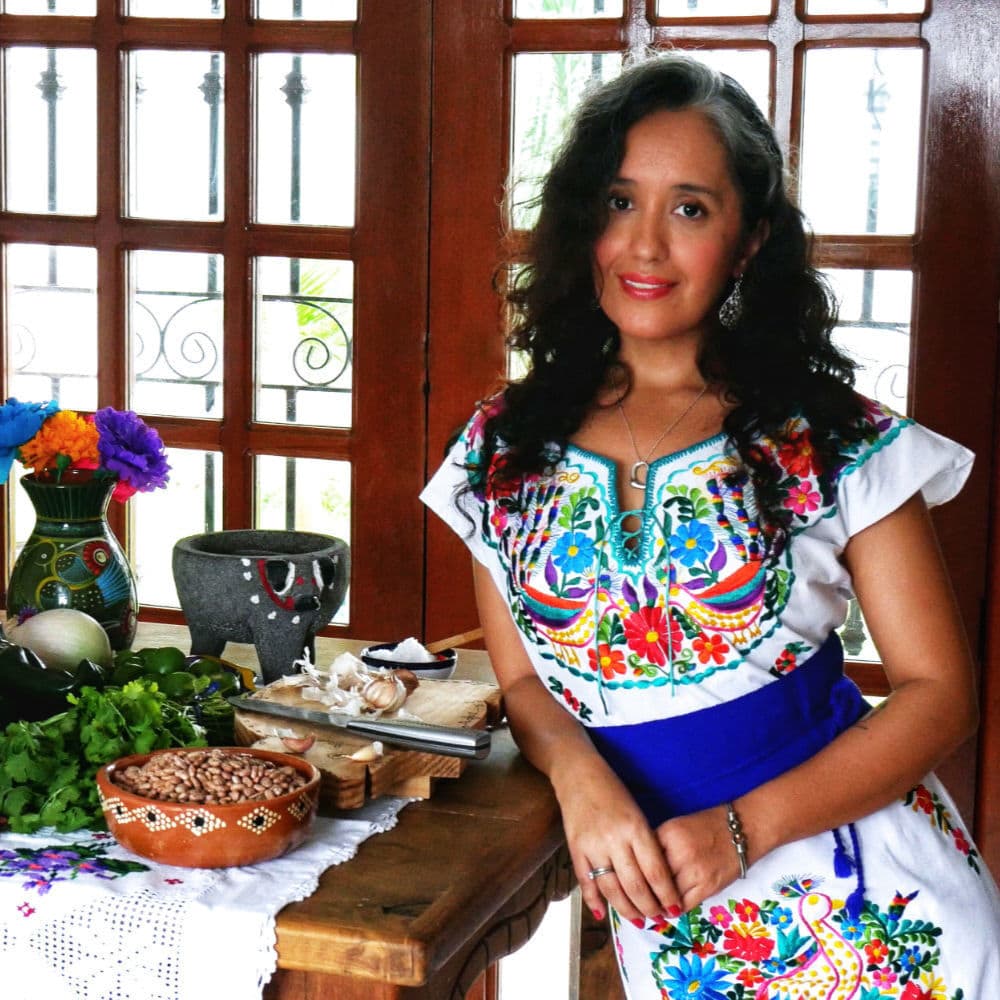
Gracias
I’m so happy you stopped by. If you have any questions or want to let me know how you liked this recipe, do leave a comment. Muchas gracias, I appreciate you!

Calabaza En Tacha or Sweet Mexican Pumpkin Recipe
My recipe is unconventional due to the addition of some non-traditional Mexican spices. We live in a modern age where international flavors and ingredients influence the different cuisines of the world.
My recipe is Mexican at its roots and, much like the traditional Aztec recipe evolved to incorporate foreign flavors, so too has my own.

Calabaza En Tacha or Mexican Candied Pumpkin Recipe
Ingredients
Ingredients
- 2.2 lbs or 1 kilo of raw pumpkin chopped into even size pieces
- 2 whole Mexican canela sticks Ceylon cinnamon
- 1 whole star anise
- 1 pinch large pinch ground cardamom or 3 cardamom pods bruised, optional
- 3 whole cloves
- 3 whole allspice
- orange peel from one small orange or one small orange sliced
- 1 pinch salt optional
- 1 cone piloncillo or 2/3 cup brown sugar + 1 heaping tablespoon molasses
- 2 cups water or 500 ml
- 1 can unsweetened evaporated milk (use a vegan milk or regular evaporated milk)
Instructions
Instructions
- Thoroughly rinse and clean the pumpkin, pat dry, then cut into even-size pieces. Make a couple of cuts on the skin of each piece to help it absorb more syrup flavor.

- Pour the water into a medium-large pot, then add all the spices, piloncillo or sugar and molasses if using that instead. Bring to a soft boil, stir often to help dissolve the piloncillo or sugar.

- Once the piloncillo has dissolved, gently place the pumpkin slices in the pot. The first layer flesh-side down to help it absorb more flavor. Next layers should also be flesh side down. Cover the pot.

- Turn heat to medium low and allow to simmer until the pumpkin is tender, you should carefully flip the pumpkin so that both the top and bottom layers cook and absorb the flavor of the spices and piloncillo.

- Gently remove the pumpkin from the pot and allow to cool on a separate large plate. The remaining liquid from the pot will be reduced down even more to make a delicious spiced piloncillo syrup.
- Remove as much of the spices as possible, Over medium heat and stirring often, reduce the liquid to half of what it was and until it reaches a thicker consistency almost like syrup.

- Turn heat off, allow to cool and if not using right away store in the refrigerator. Strain the syrup through a fine sieve before using.
- Once ready to eat the pumpkin you can either serve it cool or slightly warm. Pour some evaporated milk or regular milk or cream over the pumpkin, then drizzle some syrup over it.

- Place cooled leftovers in the refrigerator in an airtight container. The pumpkin will keep fresh for 4 days and the syrup for up to a week refrigerated.


Recipe Notes & Pro Tips
Nutrition
FAQ
Can I use butternut squash?
Yes you could, though the flavor will be different.
What if I can’t find piloncillo?
You can use a mixture of brown sugar and a little molasses to replicate the flavor of piloncillo.
Is This Recipe Vegan
If you use vegan evaporated milk or swap that for your favorite plant-based milk, then yes. Otherwise the use of regular evaporated milk makes this recipe vegetarian.
(Please notice that this article contains Amazon affiliate links, which may earn us a small commission if you make a purchase through them. Your support helps us continue to provide valuable content.)
This recipe was originally published on September 20th of 2022.


Nancy Lopez is a Mexican-born published cookbook author and recipe developer with 20+ years of cooking experience. Raised in the U.S. and now living in North-Central Mexico, she creates authentic vegan and vegetarian Mexican recipes rooted in tradition and tested for real home kitchens. Read more…