What Is Agua Fresca? How to Make Authentic Mexican Drinks at Home
On a hot day, there’s nothing quite as refreshing than a cold glass of agua fresca. It’s light, naturally sweet, and made with real ingredients like fresh fruit, edible flowers, nuts or grains. In Mexico, you’ll find it everywhere, from street vendors to family kitchens.

The best part? It’s incredibly easy to make at home, and onc you learn the easy method, you can create traditional and modern flavor combinations.
Quick Answer: What is Agua Fresca?
Agua fresca is a traditional Mexican drink made by blending fruit, flowers, nuts, seeds or grains with water, then lightly sweetening it. It’s thinner than a smoothie and more refreshing than juice. Popular flavors include jamaica, horchata, and watermelon, and it’s commonly served chilled as a cooling everyday drink in Mexico.
What Is Agua Fresca?
Agua fresca is a traditional Mexican drink made by blending fresh fruit, flowers, nuts or seeds, or grains with water and a little sweetener. It’s light, refreshing, and meant to hydrate rather than feel heavy.
Unlike juices or smoothies, agua fresca is diluted with water, which gives it that signature clean and crisp taste. It’s not thick, and shouldn’t be overly sweet.
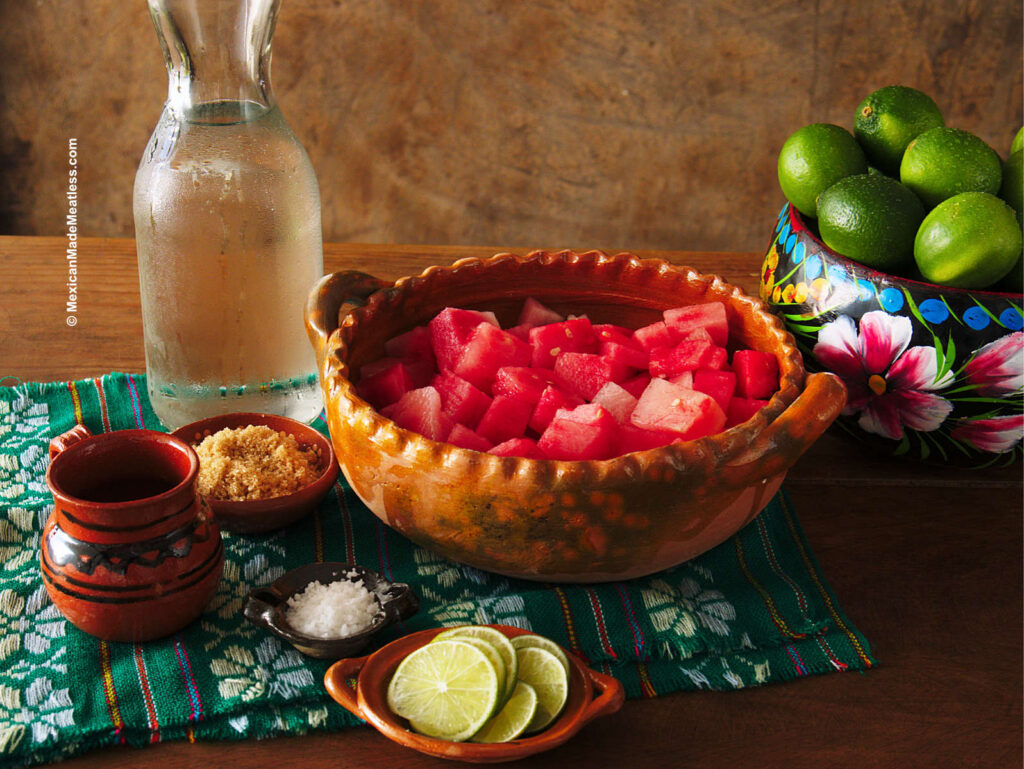
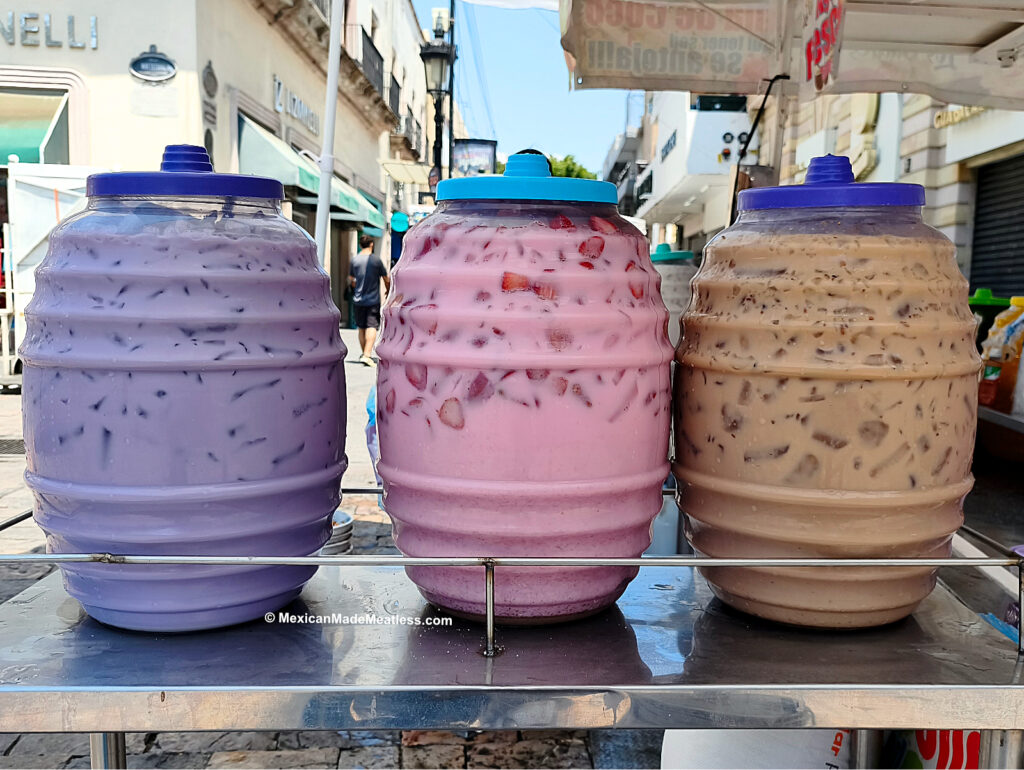
In Mexico, aguas frescas are part of everyday life. You’ll see large glass jars, called vitroleros, filled with colorful drinks like jamaica, horchata, and sandía at markets, fondas, and street stands.
They’re usually served ice cold and made fresh daily.
I grew up drinking aguas frescas at home, especially on warm days. It’s one of those simple drinks that’s always been part of daily life in Mexican homes, not just something you order at a restaurant.
What Does “Agua Fresca” Mean?
The term agua fresca translates to “fresh water” in English. But in Mexican culture, it means much more than that.
It refers to a category of light, refreshing drinks made with natural ingredients and water. The focus is always on something that feels hydrating, simple, and cooling.
The name perfectly describes what the drink is meant to be. Not heavy, not overly sweet, just something fresh and easy to enjoy, especially on warm days.
How Agua Fresca is Traditionally Made
Aguas frescas are made using a simple method that focuses on fresh ingredients. The base is usually fruit, flowers like jamaica (hibiscus), or grains like rice for horchata.
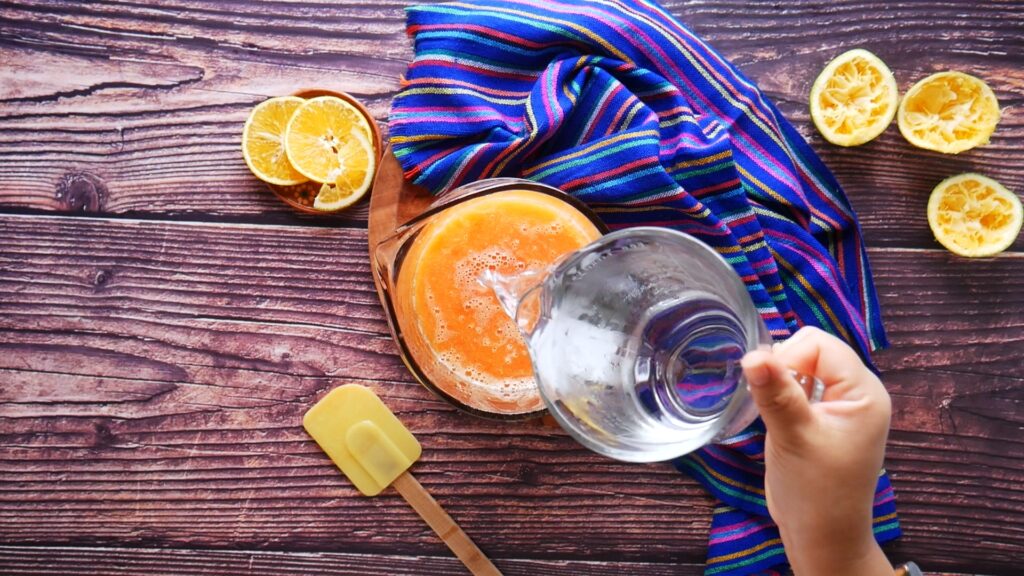
The ingredients are blended with water, then strained if needed to remove pulp or fibers. After that, a little sugar is added, and more water is mixed in until the flavor is light and refreshing.
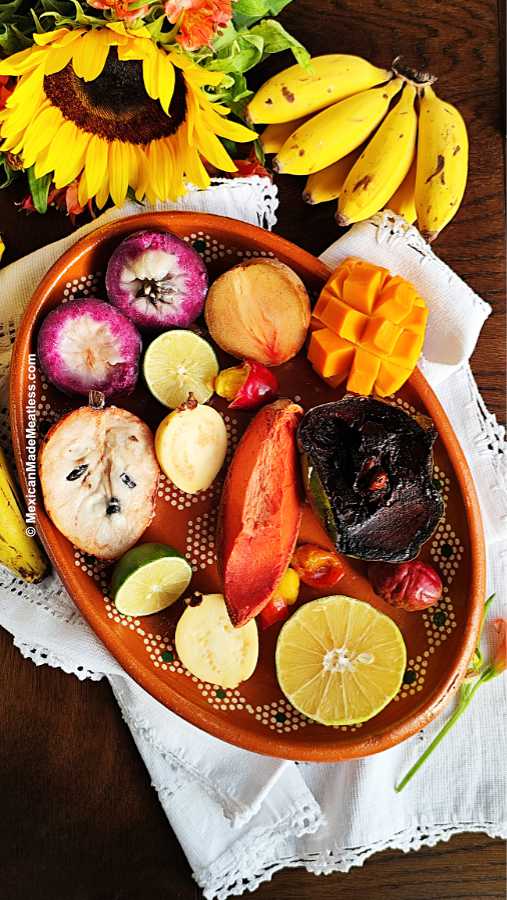
In Mexican kitchens, aguas frescas are often made with whatever fruit is in season. This means the flavors naturally change throughout the year, from juicy watermelon and mango in the summer to guava and citrus in cooler months.
Some aguas frescas, like jamaica, are made by steeping dried flowers instead of blending. Others, like horchata, are soaked and blended to create a smooth and creamy drink.
No matter the variation, the goal is always the same. A drink that feels fresh, hydrating, and easy to enjoy throughout the day.
In Mexico, we drink aguas frescas in all kinds of moments. As a refreshing drink on a hot day, alongside meals, or even as a light snack in the afternoon.
Agua Fresca vs Juice vs Smoothies
Agua fresca, juice, and smoothies may all start with fruit, but they’re very different in texture, flavor, and how they’re made.
Agua fresca is lighter and more diluted, which makes it especially refreshing and easy to drink throughout the day.
Juice is more concentrated, while smoothies are thicker and often filling enough to be a meal on their own.
Key Differences at a Glance
- Agua fresca: Blended with water, lightly sweetened, and often strained. Light, refreshing, and not too thick.
- Juice: Extracted from fruit without added water. More concentrated in flavor and natural sugars.
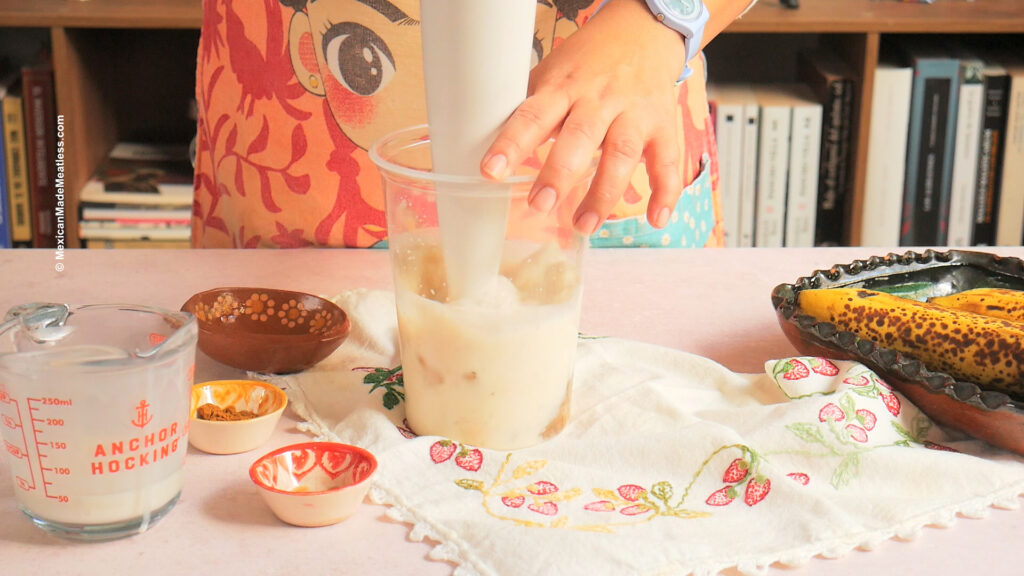
- Smoothies: Blended whole fruit, often with milk, plant-based milk, or yogurt. Thick, creamy, and more filling.
What Makes Agua Fresca Unique
What sets agua fresca apart is the balance. It’s not meant to be heavy or overly sweet.
Instead, it’s designed to be hydrating and refreshing, which is why it’s so commonly enjoyed with meals or throughout the day in Mexico.
Most Popular Agua Fresca Flavors
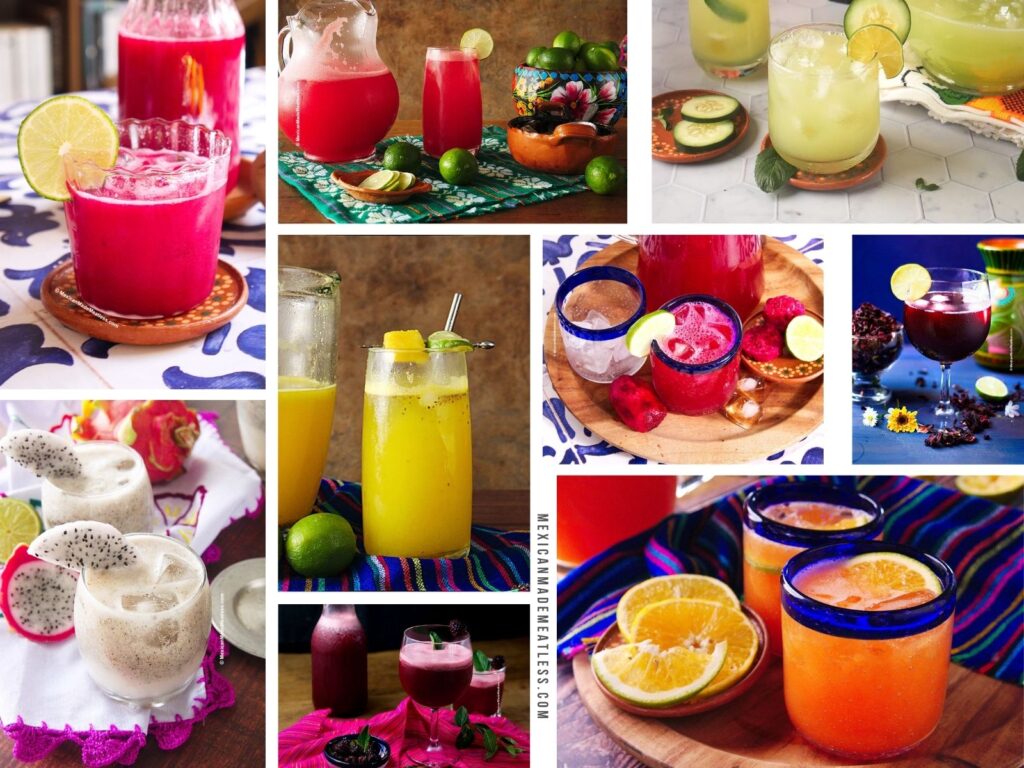
One of the best things about aguas frescas is the variety. The flavors are simple, but each one has its own personality.
Many of these are tied to seasonal fruits, which is why you’ll often see different options depending on the time of year in Mexico.
Here are some of the most popular aguas frescas you’ll find:
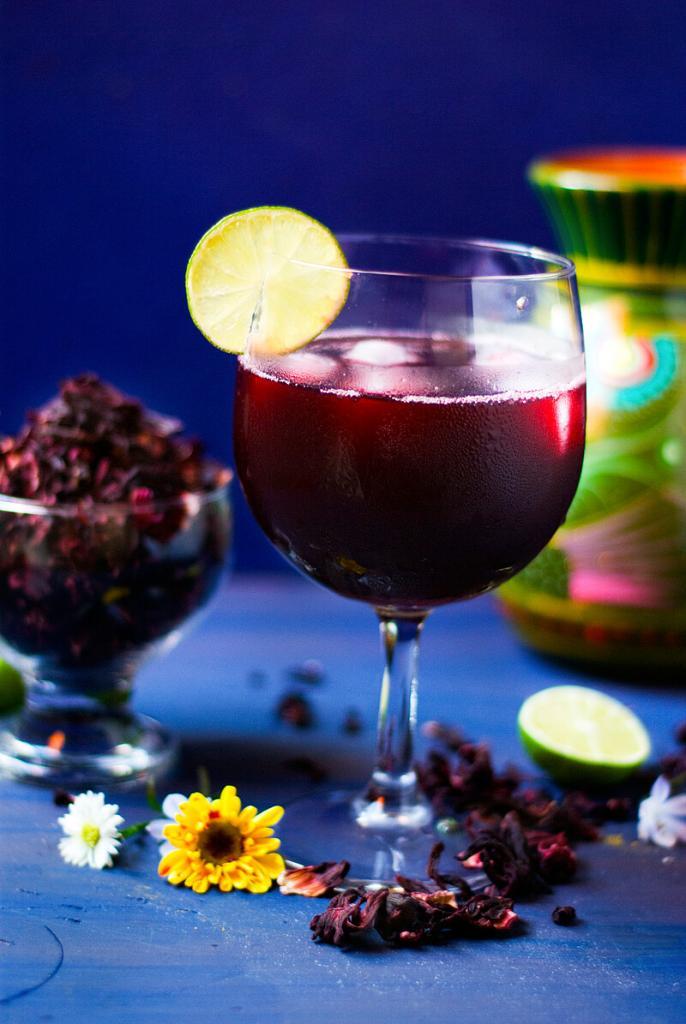
Jamaica (Hibiscus)
Made from dried hibiscus flowers, this agua fresca has a deep red color and a slightly tart flavor.
It’s one of the most refreshing options and especially popular on hot days.
👉 Try my refreshing agua de jamaica for a tart and cooling drink.
Horchata
A creamy agua fresca made from rice, cinnamon, and sugar.
It’s smooth, lightly sweet, and one of the most loved flavors, especially alongside spicy foods.

Sandía (Watermelon)
Light, juicy, and naturally sweet, this is a summer favorite.
It blends easily and usually doesn’t need much sugar.
👉 Try my watermelon agua fresca for a sweet and summery drink.
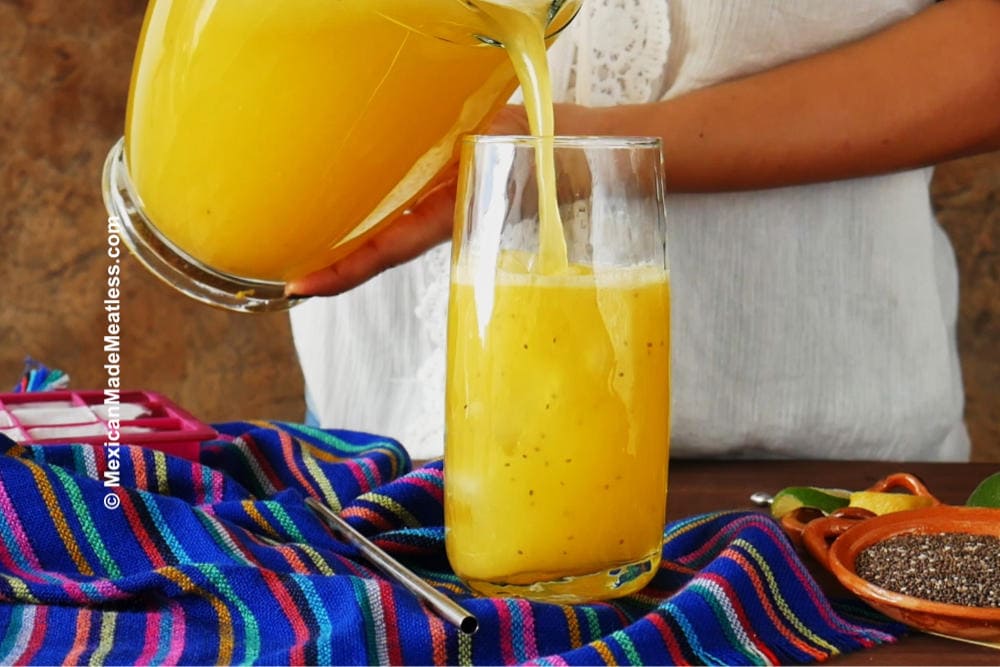
Piña (Pineapple)
Sweet, bright, and slightly tangy with tropical flavor.
It’s refreshing and pairs really well with a splash of lime.
👉 Pineapple is available all year so you can try my agua de piña anytime.
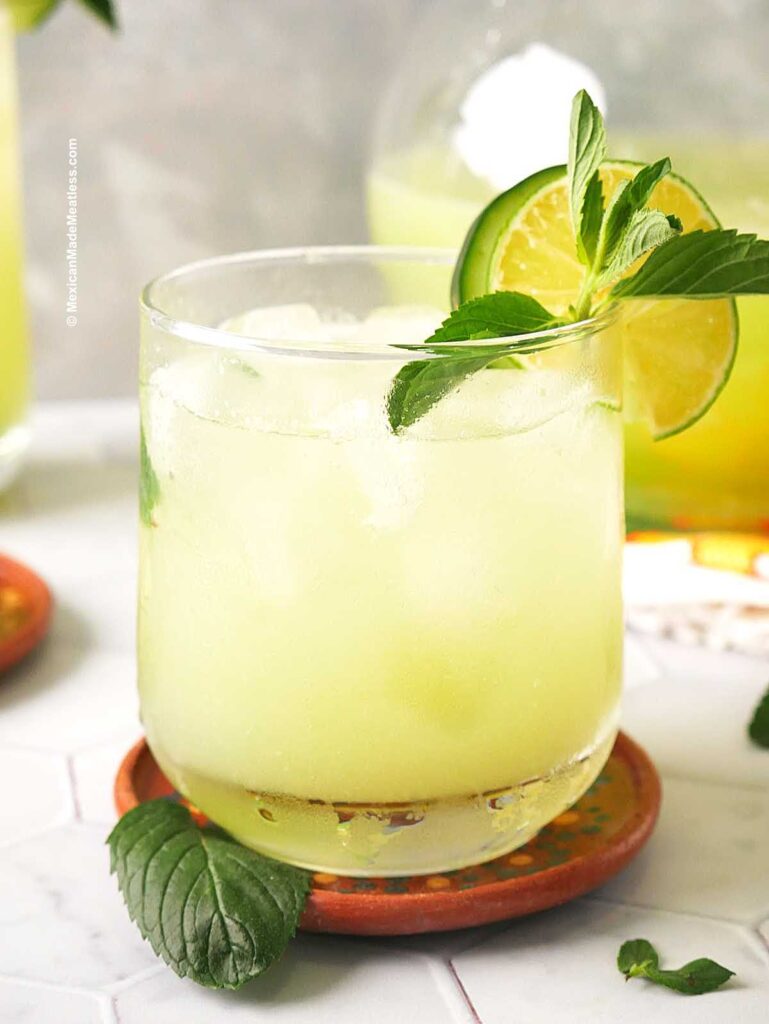
Pepino con Limón (Cucumber Lime)
Super crisp and refreshing with a subtle flavor.
This one is especially hydrating and perfect when you want something very light.
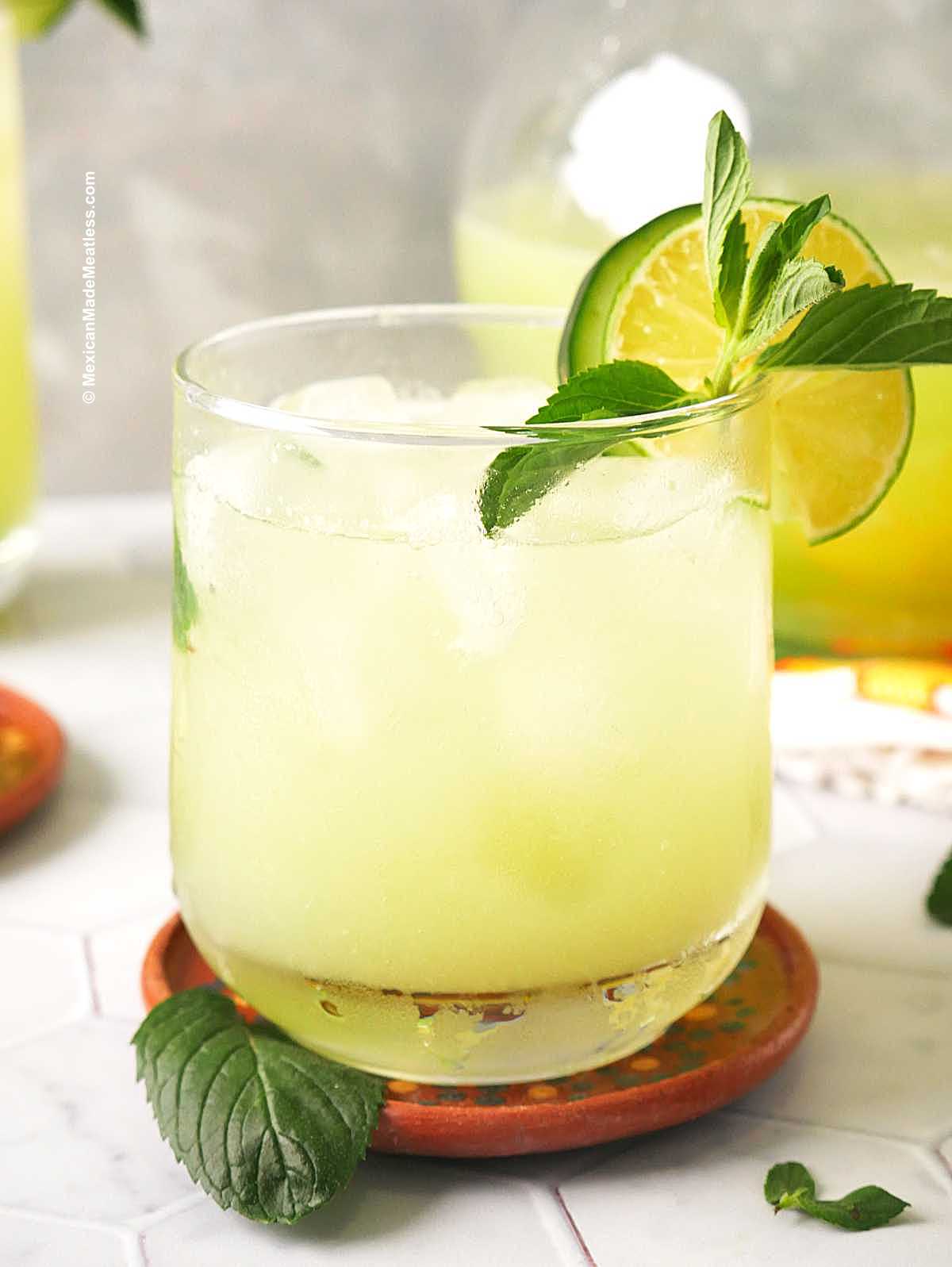
👉 My cucumber lime agua fresca recipe is so refreshing and pairs well with any meal.
Tamarindo (Tamarind)
Sweet, tangy, and a little bold.
Made from tamarind pods, this one has a unique flavor that’s very traditional and must-try.
More Agua Fresca Flavor Ideas
Beyond the most popular options, there are many other aguas frescas you’ll find across Mexico. The flavors often depend on what fruits are in season and what’s locally available.
In many town centers and markets, you’ll see a colorful variety of aguas frescas lined up in large glass jars, each one offering something a little different.
Traditional and Seasonal Favorites
- Mango: Sweet, vibrant, and very popular when in season
- Guayaba (guava): Fragrant and slightly tangy with a rich flavor
- Melón (cantaloupe): Light, smooth, and naturally sweet
- Papaya: Mild and creamy with a soft sweetness
- Limón (lime): Bright, citrusy, and very refreshing
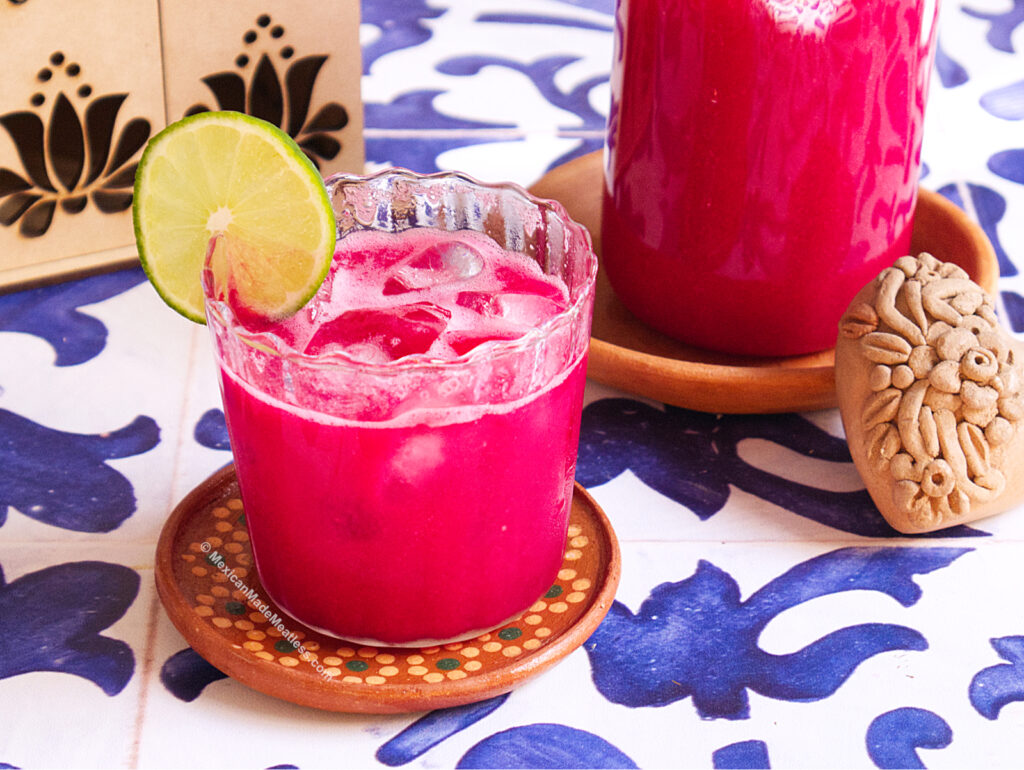
- Dragon fruit (pitahaya): Refreshing, and lightly sweet
- Fresa (strawberry): Sweet with a slightly tart finish
Less Common but Still Traditional
- Tuna (prickly pear): Lightly sweet with a beautiful pink color
- Chía: Made with seeds that add texture and hydration
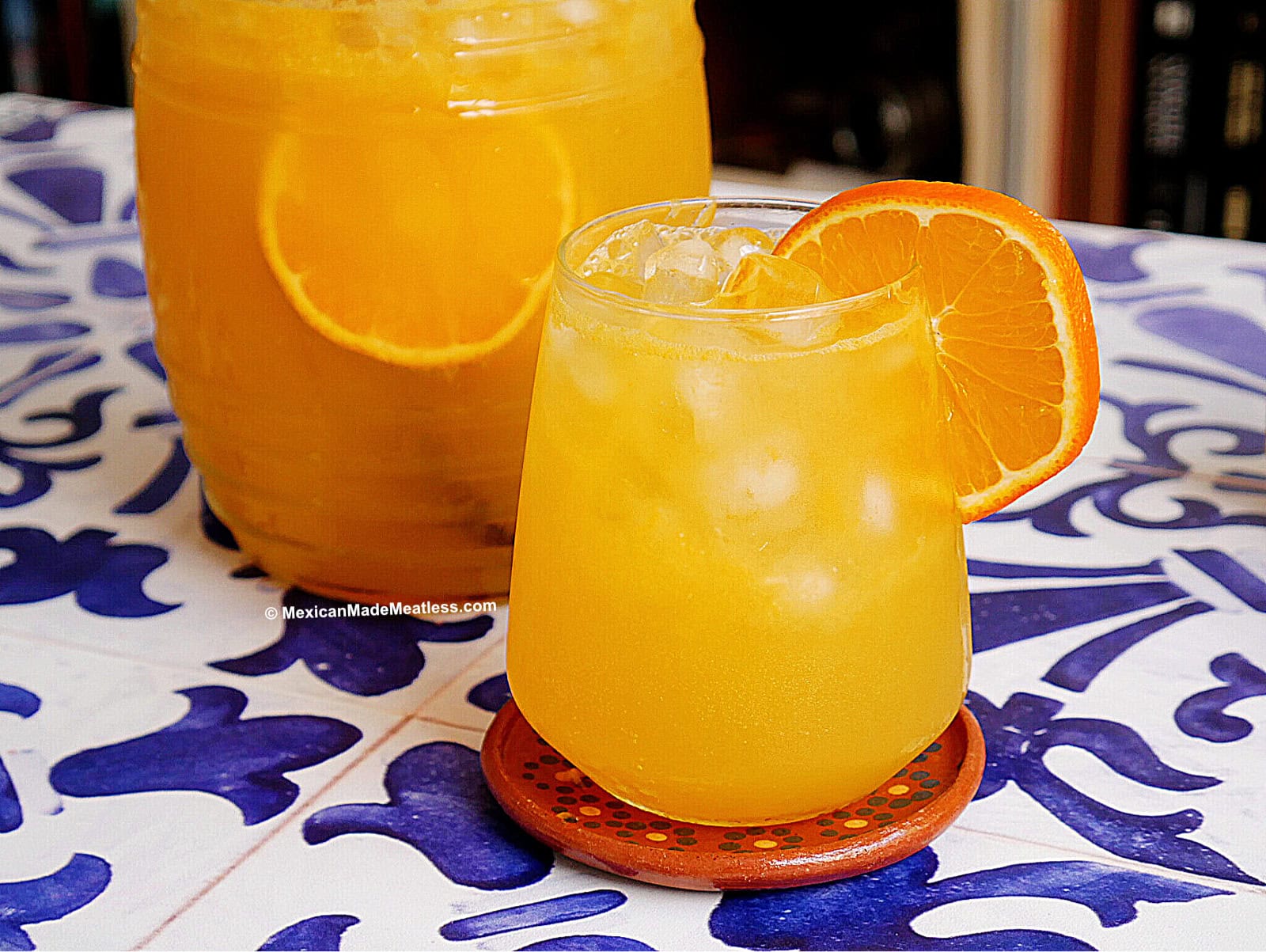
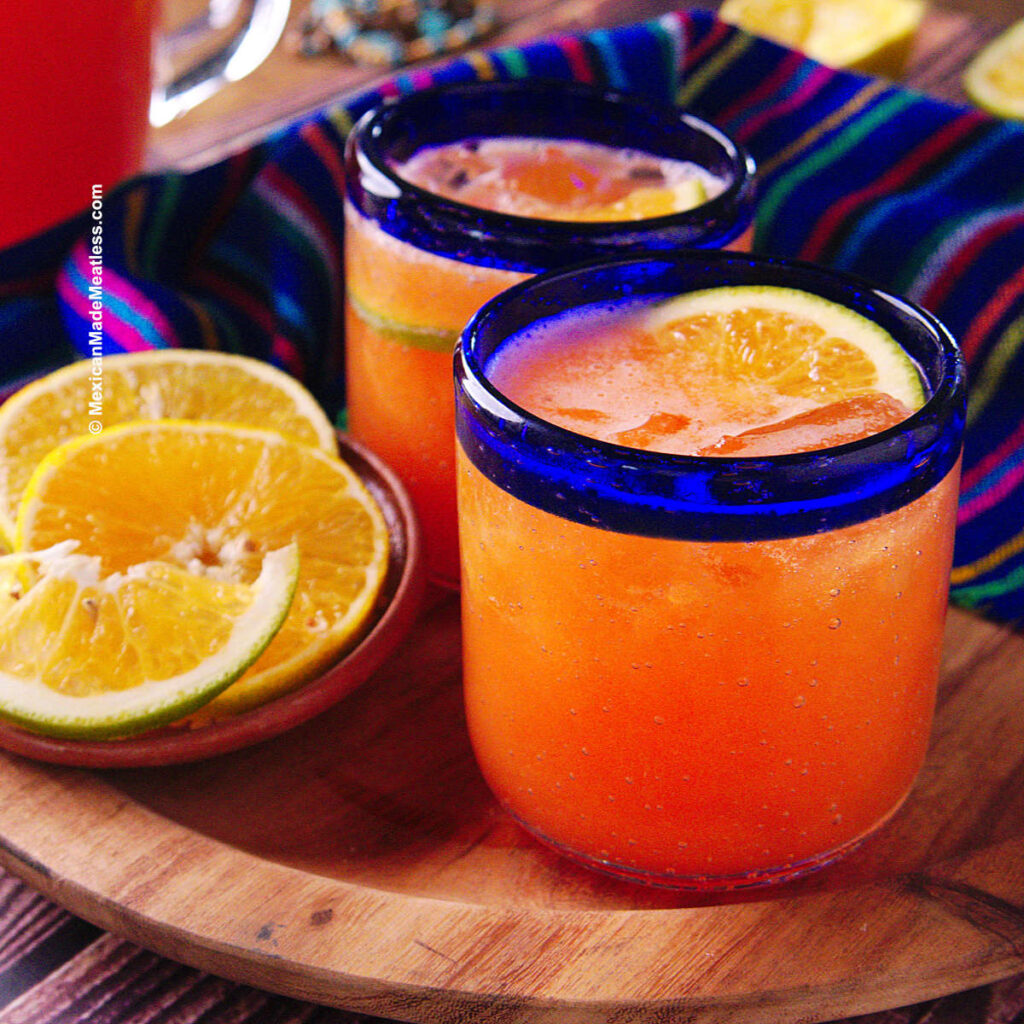
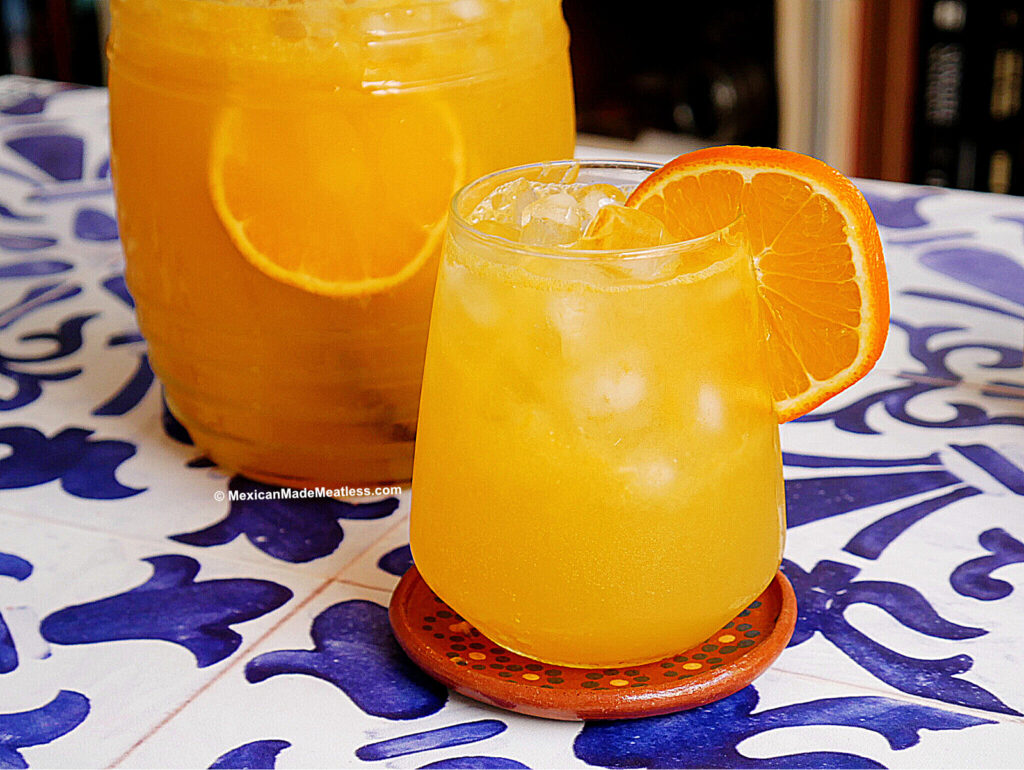
- Naranjada: Orange-flavored agua fresca made with sparkling water, can be made with lime too
- Guayaba con betabel: Guava-beet combination that’s bright pink, sweet and nutritious
- Pepino Blanco: White cucumber typical of southern Mexico
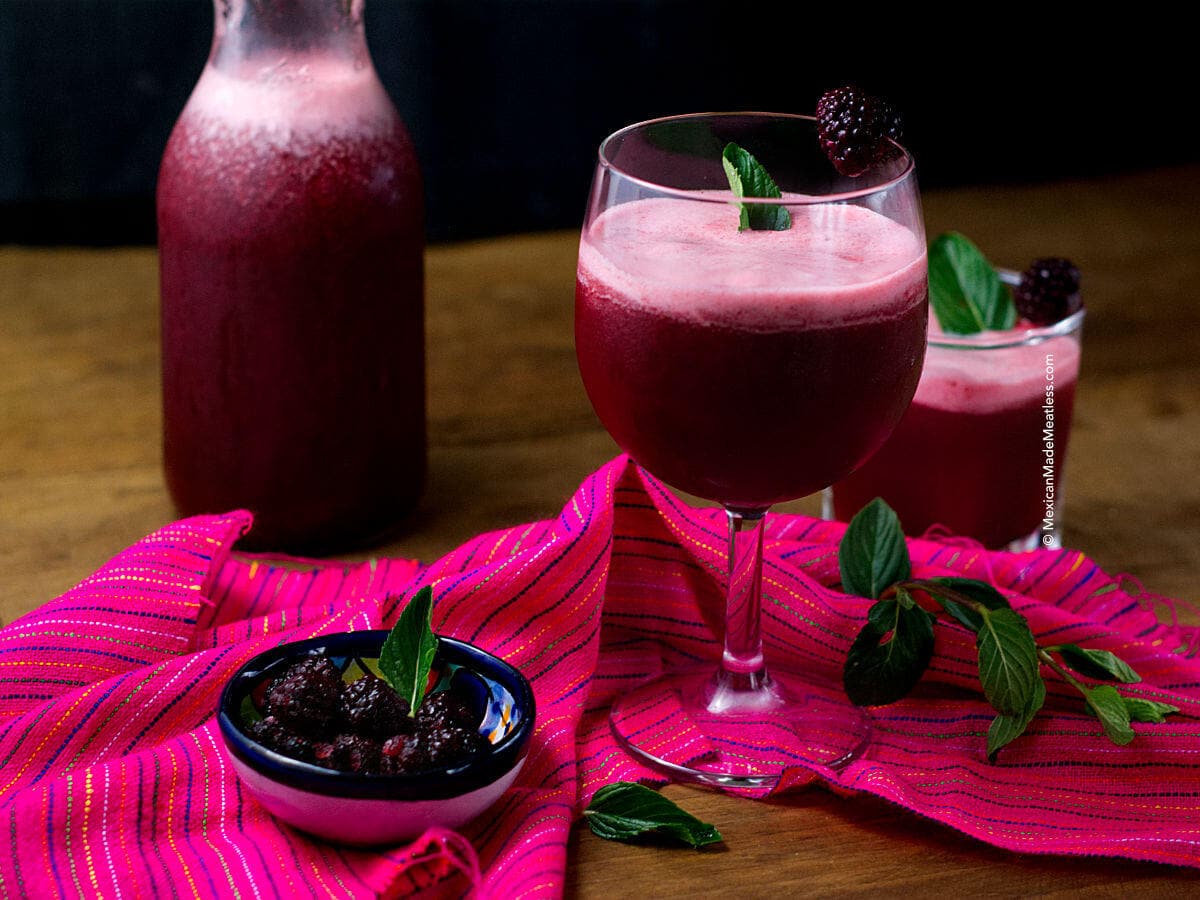
- Agua de Zarzamora: Blackberry agua fresca that’s tart and refreshing
- Avena: A creamy oat-based drink that’s filling and comforting
- Agua de Platano: Banana flavored that’s creamy and naturally sweet
- Alfalfa: Fresh, bright green, and slightly earthy but refreshing
- Cebada (barley): Light with a subtle nutty flavor
Modern and Creative Variations
While traditional aguas frescas are made with fruit, flowers, or grains and water, there are also many modern and regional variations you’ll find across Mexico today.
Some of the most popular adaptations are based on classic drinks like horchata. You may come across versions flavored with strawberries, coconut, or even chocolate, especially at markets and food stands offering multiple options.
There are also creamier versions made with milk, evaporated milk, or sweetened condensed milk. These tend to be richer and more dessert-like, and are often used in drinks like strawberry or banana aguas frescas.
In addition to these, some regions offer unique modern flavors that are less commonly seen outside of Mexico. Options like coffee, Oreo, bubble gum, mazapan, pecans, taro, and rompope are all part of the wider variety of aguas frescas enjoyed locally.
These variations show how aguas frescas continue to evolve, while traditional versions remain light, refreshing, and water-based.
How to Make Agua Fresca (Basic Method)
Making agua fresca at home is simple and doesn’t require any special equipment. Once you learn the basic method, you can use it with almost any fruit or ingredient.
Basic Agua Fresca Formula
Agua fresca is typically made by blending fruit with water, then adjusting the sweetness and dilution to taste.
Step-by-Step Instructions
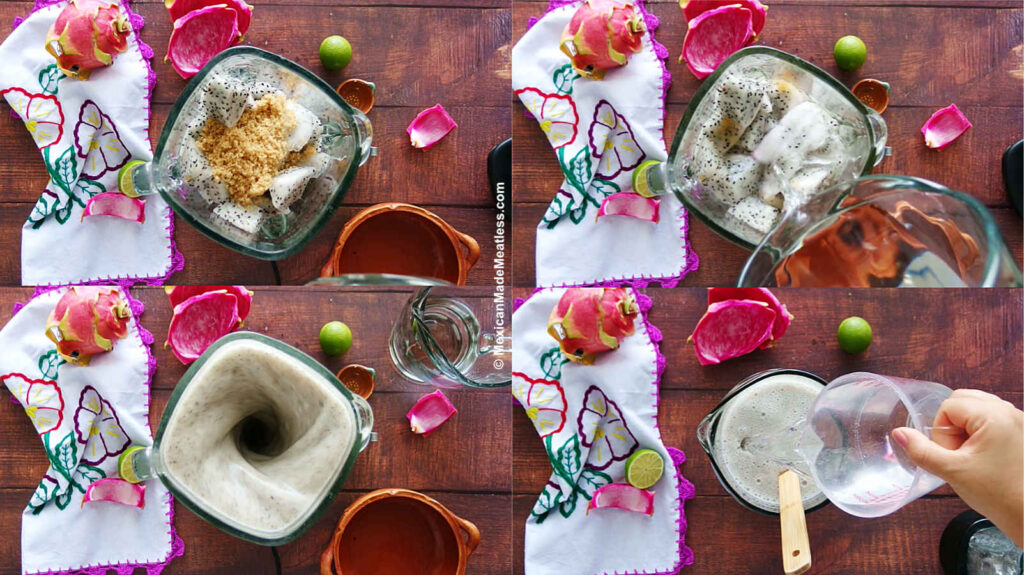
- Add fruit to a blender
Use fresh, ripe fruit for the best flavor. - Pour in water
Add enough cool water to help the fruit blend smoothly. - Blend until smooth
Blend until the mixture is fully broken down. - Strain (if needed)
Strain through a fine mesh sieve if the fruit has seeds or pulp. - Sweeten to taste
Add sugar or your preferred sweetener. - Add more water and chill
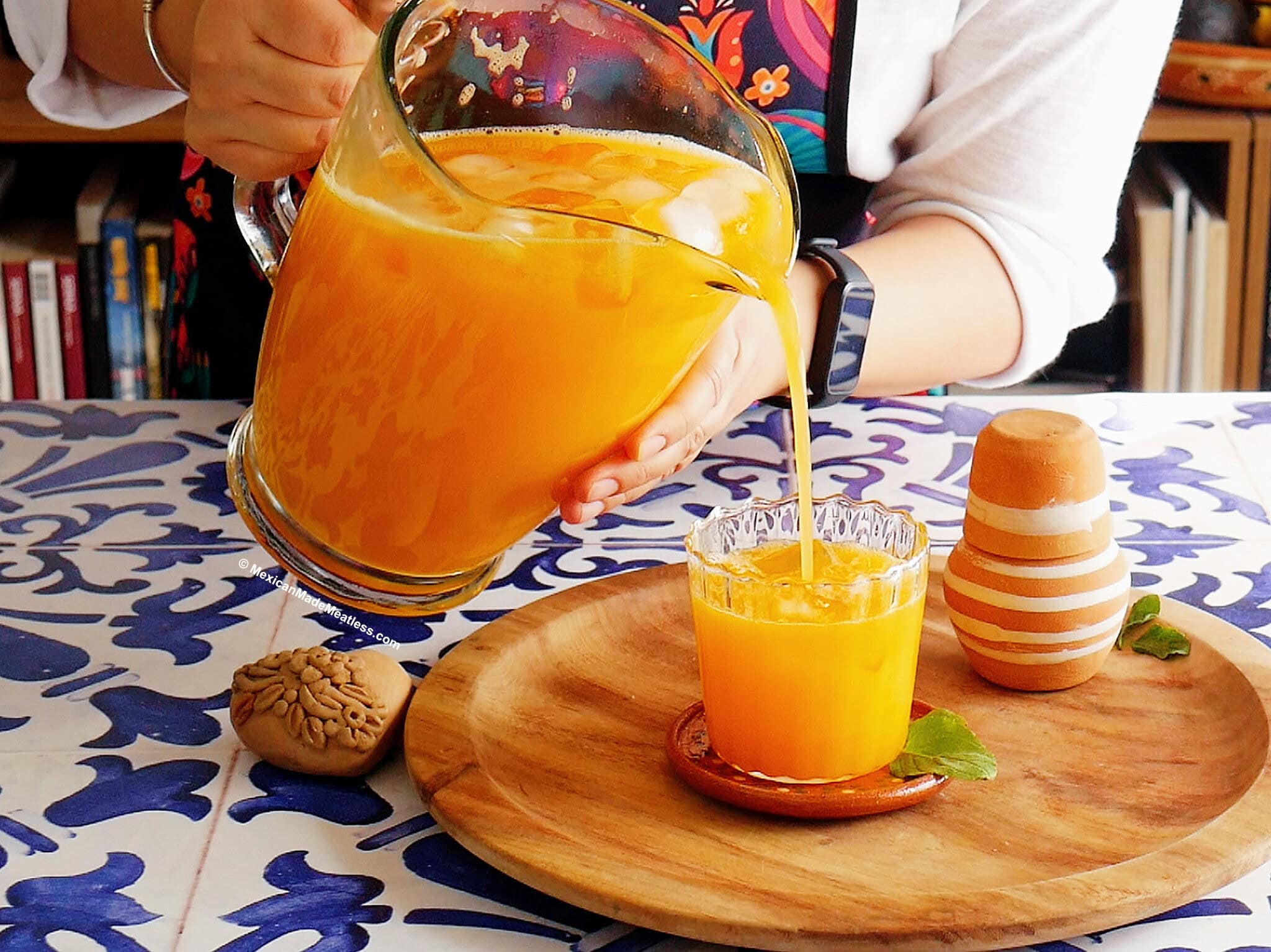
Dilute to your desired strength and serve cold over ice.
Simple Ratio to Start With
A good starting point is:
- 2 cups fruit
- 3 to 4 cups water
- 2 to 4 tablespoons sugar (adjust to taste)
💡Nancy’s Tips
I always taste the fruit before adding any sweetener. Many fruits are naturally sweet, especially when they’re in season, so you may not need much sugar at all.
I also like to taste again before adding all the water. This helps me adjust the flavor so it stays refreshing and not too diluted.
Tips for the Best Agua Fresca
Making a good agua fresca is simple, but a few small details can make a big difference in flavor.
Use Ripe, In-Season Fruit
The better the fruit, the better your agua fresca will taste.
I always try to use fruit that’s fully ripe and in season because it has more natural sweetness and flavor. This also means you may not need to add much sugar, if any at all.
Taste Before Sweetening
Before adding any sweetener, taste your blended fruit.
Some fruits are naturally sweet enough on their own, especially mango, watermelon, or pineapple. I often skip sweetener altogether or add just a small amount depending on the fruit.
Adjust Water Gradually
It’s easier to add more water than to fix a drink that’s too diluted.
I like to start with less water, taste, and then slowly add more until it reaches that light, refreshing balance.
Strain When Needed
Not all aguas frescas need to be strained, but some fruits benefit from it.
Fruits with seeds or thicker pulp, like guava or berries, are usually better when strained for a smoother texture.
Chill Before Serving
Agua fresca tastes best when it’s cold.
Letting it chill in the fridge for a bit helps the flavors come together and makes it even more refreshing.
Common Mistakes to Avoid
Even though agua fresca is simple to make, a few small mistakes can affect the flavor and texture.
Adding Too Much Water
It’s easy to dilute the flavor if you add too much water too quickly.
Start with less and adjust gradually so the drink stays flavorful and refreshing.
Over-Sweetening
Adding too much sugar can overpower the natural taste of the fruit.
It’s always better to start with a small amount or none at all, then adjust if needed.
Not Using Ripe Fruit
Unripe fruit can make your agua fresca taste bland or slightly sour.
Using ripe, in-season fruit makes a big difference in both flavor and sweetness.
Skipping the Straining Step (When Needed)
Some fruits have seeds or thicker pulp that can affect the texture.
Straining when needed helps create a smoother, more enjoyable drink.
Serving It Warm
Agua fresca is meant to be refreshing.
Serving it chilled or over ice makes a big difference in how it tastes and feels.

How to Sweeten Agua Fresca (Traditional and Modern Options)
Traditionally, aguas frescas are sweetened with regular sugar. It dissolves easily and lets the natural flavor of the fruit shine.
That said, not all aguas frescas need added sweetener. If the fruit is ripe and in season, it can often be sweet enough on its own.
Traditional Sweeteners
- Granulated sugar: The most common and easiest option
- Piloncillo: Unrefined cane sugar with a deeper, more caramel-like flavor
These are the sweeteners most often used in traditional Mexican kitchens.
Modern and Alternative Options
If you prefer something different, there are other ways to sweeten your agua fresca:
- Agave nectar: Mild flavor and dissolves easily
- Maple syrup: Adds a subtle depth of flavor
- Coconut sugar: Slightly less refined with a light caramel taste
- Simple syrup: Easy to mix in and great for evenly sweetening cold drinks
- Stevia or monk fruit: Zero-calorie options if you want to reduce sugar
You can also adjust the sweetness by using less sweetener or skipping it entirely.
My Personal Approach
I usually taste the fruit first before adding anything.
Most of the time, I find that ripe fruit already has enough natural sweetness, so I either skip the sweetener or add just a small amount. When I use sweetener it’s usually piloncillo or agave nectar.
Everyone’s sweetness preference is different, so feel free to adjust based on your taste.
Pin It For Later!

FAQs About Agua Fresca
Are aguas frescas healthy?
Agua fresca can be a healthy drink depending on how it’s made. It’s typically made with real fruit and water, which makes it lighter than many store-bought drinks.
The sugar content can vary, so using less sweetener or skipping it altogether can make it an even healthier option.
Can you make agua fresca without sugar?
Yes, absolutely.
If your fruit is ripe and naturally sweet, you may not need to add any sugar at all. Many people prefer it this way for a lighter, more refreshing taste.
How long does agua fresca last in the fridge?
Agua fresca is best enjoyed fresh, but it can be stored in the refrigerator for up to 2 to 3 days.
Stir it before serving, as natural separation may occur.
Can you use frozen fruit to make agua fresca?
Yes, frozen fruit works well, especially when fresh fruit is not in season.
Just keep in mind that frozen fruit may slightly change the texture, and you may need to adjust the water and sweetness.
Do you have to strain agua fresca?
Not always.
Some fruits blend smoothly and don’t need straining, while others with seeds or thicker pulp are better when strained for a smoother texture.
What is the difference between agua fresca and horchata?
Horchata is actually a type of agua fresca.
While most aguas frescas are made with fruit, horchata is made with rice, cinnamon, and water, giving it a creamy texture and different flavor.
Is tepache the same as agua fresca?
No, tepache is a traditional Mexican drink made from fermented pineapple, usually using the peel. Unlike agua fresca, which is made fresh with fruit and water, tepache has a tangy flavor and goes through a natural fermentation process.

How to Start Making Agua Fresca at Home
Agua fresca is one of the simplest and most refreshing drinks you can make at home. With just a few ingredients and a basic method, you can create a variety of flavors using your favorite fruit, that are light, hydrating, and full of natural taste.
From classics like jamaica and horchata to seasonal favorites like mango and guava, there are so many ways to enjoy aguas frescas throughout the year. The beauty of it is that you can adjust everything to your taste, from the sweetness to the strength.
If you’re ready to try making your own, be sure to check out my agua fresca recipes where I share step-by-step versions of some of the most popular flavors.
Once you get the hang of it, you’ll see just how easy it is to make these traditional Mexican drinks part of your everyday routine.

Gracias
I’m so happy you stopped by. If you have any questions or want to let me know how you liked this recipe, do leave a comment. Muchas gracias, I appreciate you!

Nancy Lopez is a Mexican-born published cookbook author and recipe developer with 20+ years of cooking experience. Raised in the U.S. and now living in North-Central Mexico, she creates authentic vegan and vegetarian Mexican recipes rooted in tradition and tested for real home kitchens. Read more…