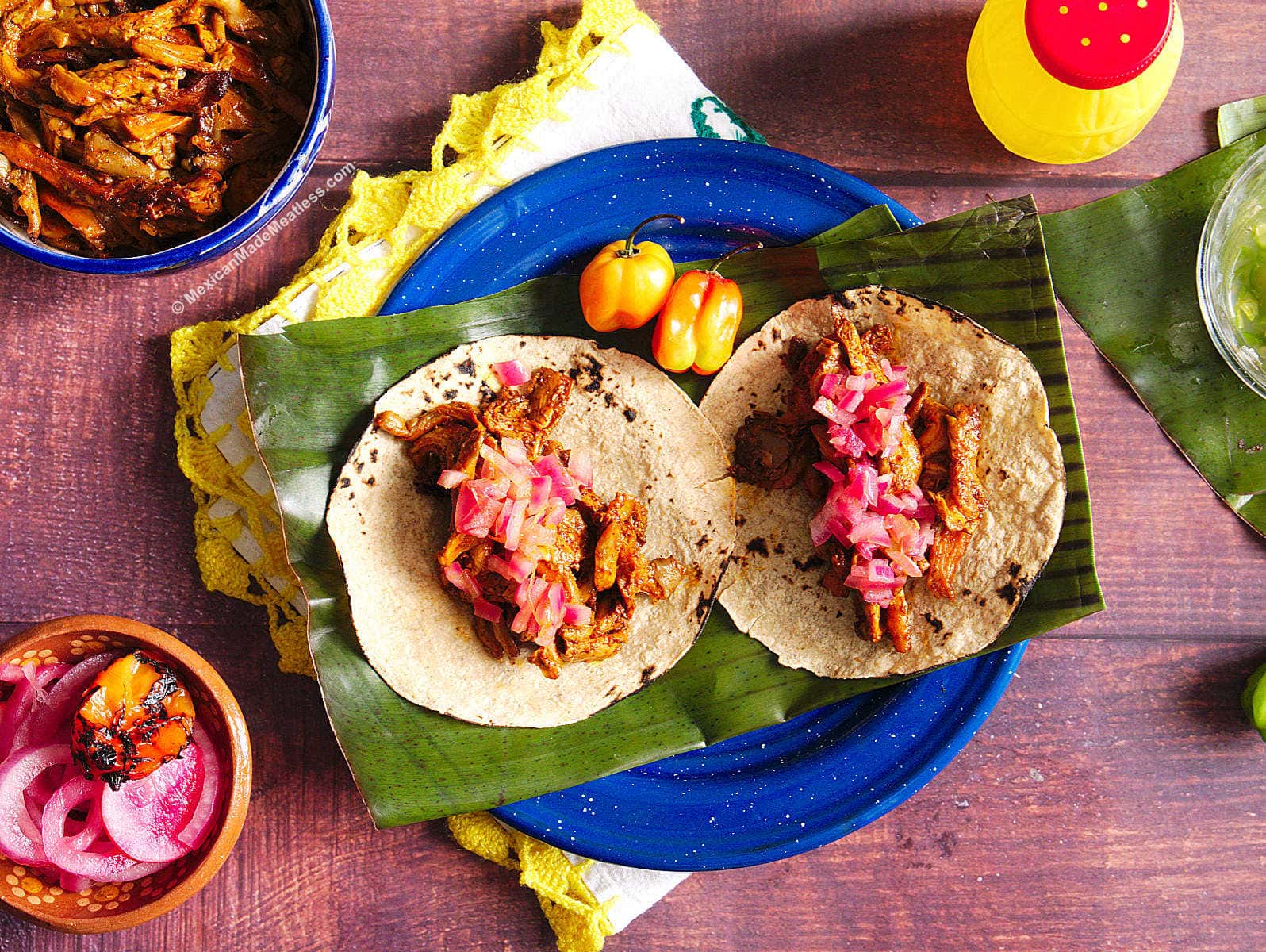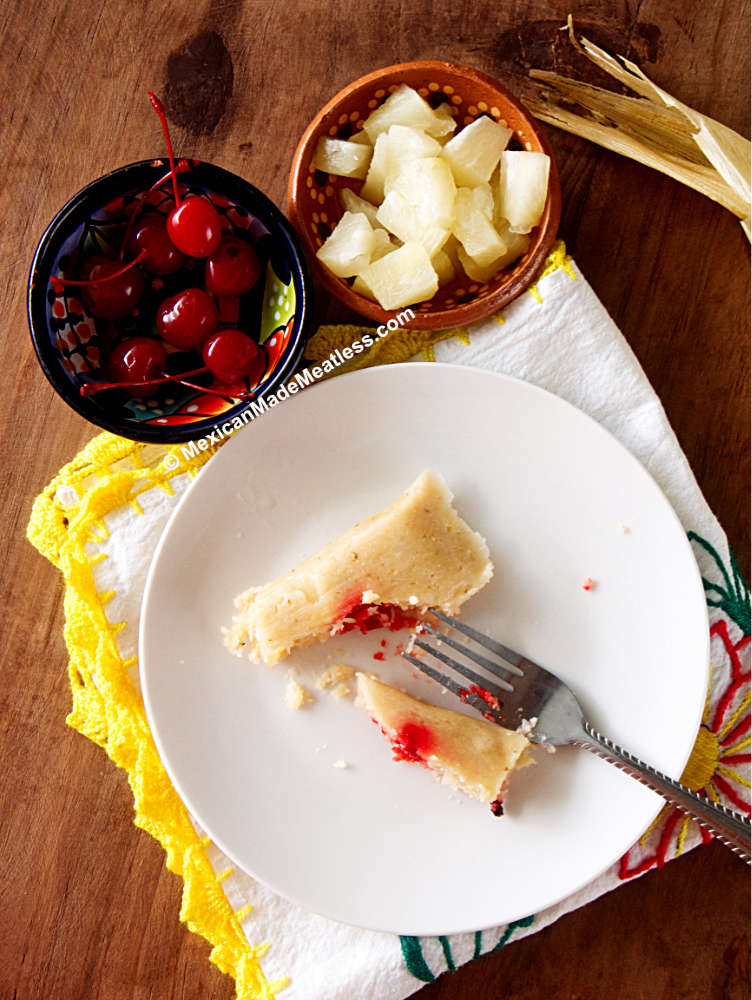
Masa for Tamales Without Lard
This masa for tamales without lard is the recipe I’ve perfected since 2007, made with masa harina or fresh masa, and just 5 ingredients you likely already have. It comes together in under 30 minutes and works as the base for any savory tamales filling.
How Do You Make Masa for Tamales Without Lard?
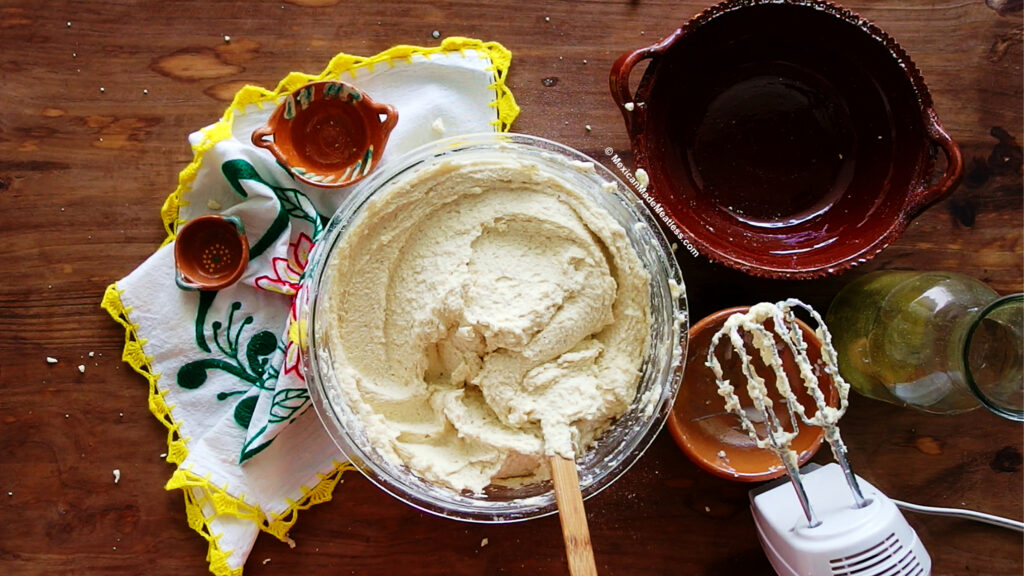
Masa for tamales without lard is made by whipping vegetable shortening until light and airy, then mixing in masa harina, baking powder, and salt, and gradually adding broth until the dough is smooth and holds together. The shortening replaces the lard, giving you the same fluffy texture without any animal fat. It takes about 20 minutes to prepare and makes enough masa for 25 to 30 tamales.
Recipe at a Glance
- What it is: Tamale dough made with whipped shortening, broth, and no lard needed.
- Cuisine: Mexican
- Dish type: Tamale dough / recipe base
- Difficulty: Easy
- Ready in: 20 minutes
- Method: Hand mixer, stand mixer, or by hand
- Key ingredients: Masa harina, vegetable shortening, baking powder, salt, vegetable broth.
- Flavor: Light, fluffy, savory, corn-forward
- Best for: Christmas tamales, Día de la Candelaria, tamaladas, holiday gatherings, meal prep for freezing.
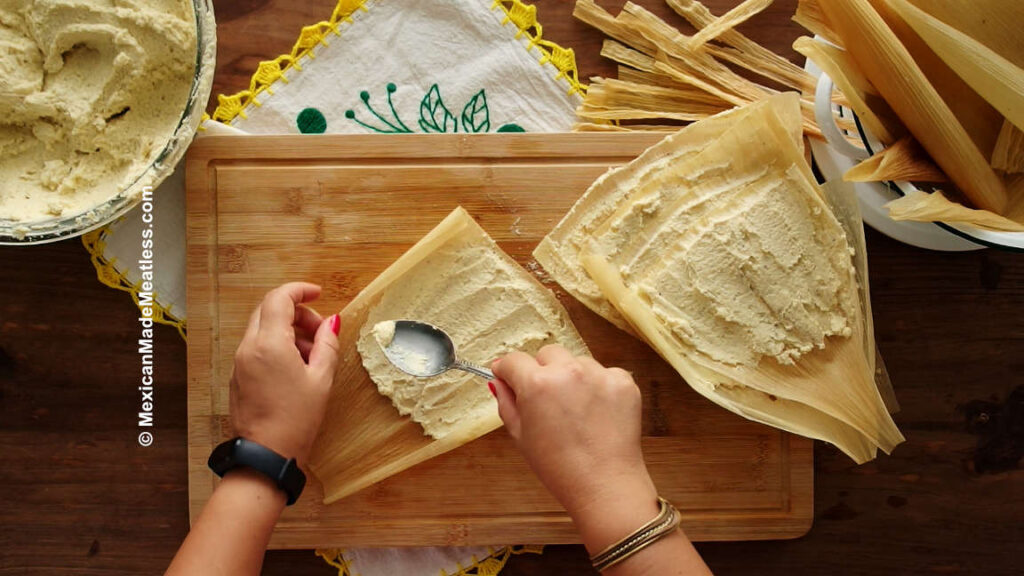
Masa for Tamales
Making tamales masa might sound complicated if you’ve never done it, but it really isn’t.
The two things that make the biggest difference are the type of masa you use and how you season it, both of which I’ll walk you through in the sections below.
This version uses whipped shortening, which gives you the closest texture to traditional lard-based masa without using any lard at all. If you’d rather use oil instead, I have a full oil-based masa recipe here that’s lighter and uses masa harina start to finish.
I prefer to hydrate this masa with vegetable broth, but many traditional recipes use chicken broth, either one works well, pick whichever fits your diet best. It’s the shortening swap that makes this dough lard-free, not the broth.
Before you get started, make sure you’ve got a batch of corn husks soaked and ready too, so you can go straight from mixing masa to spreading it without waiting around.”
Why You’ll Love This Tamales Masa Recipe
• No lard, same texture. Whipped shortening gets you that classic light, fluffy masa without using any animal fat.
• Just 5 ingredients. Everything here is easy to find at a regular grocery store, no special trip required.
• Works with any filling. This masa is the base for red, green, bean and cheese, or birria style tamales, one dough, endless options.
• Freezer friendly. Make a big batch now and freeze what you don’t use, so tamales season doesn’t mean starting from scratch every time.
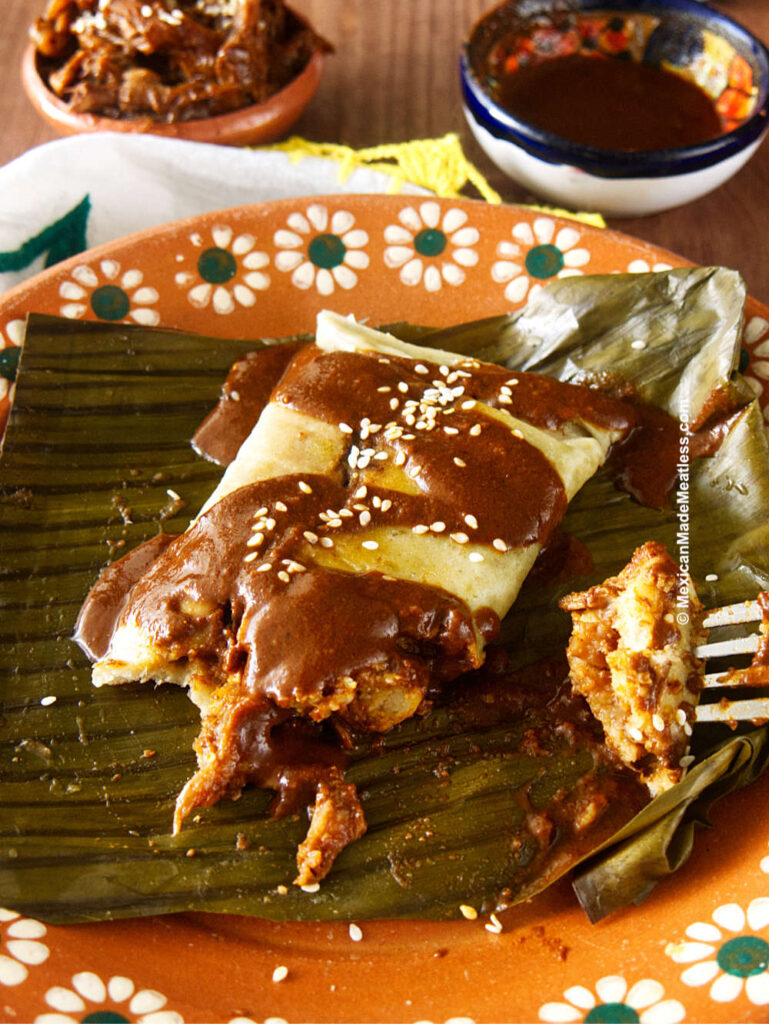
Masa for Tamales, a Family Tradition
Tamales date back to pre-Hispanic Mesoamerica, long before lard was part of the picture. Lard didn’t enter Mexican cooking until the Spanish brought pigs to the region, before that, tamales were made with just corn masa and whatever fillings were on hand.
Once lard became available, it became the traditional fat used to make the masa light and fluffy, a technique that’s been passed down for generations since. Every region, and often every family, has its own version, some more heavily seasoned, others simple, but the whipped-fat method has stayed the same for a long time.
Growing up in the US, tamales were always part of our holiday season. My mom would make batches of 100 or more for our Christmas meals, and now that my sisters and I are grown, we keep that same tradition going every year.
This particular masa without lard is the version I’ve made every tamales season since 2007. I first came up with it while living in Europe, where there were no Mexican restaurants or ingredients anywhere nearby.
My sister sent me a care package with masa harina and dried chiles so I could still make our Christmas tamales that year, and I’ve kept making it this same way, perfecting it, ever since.
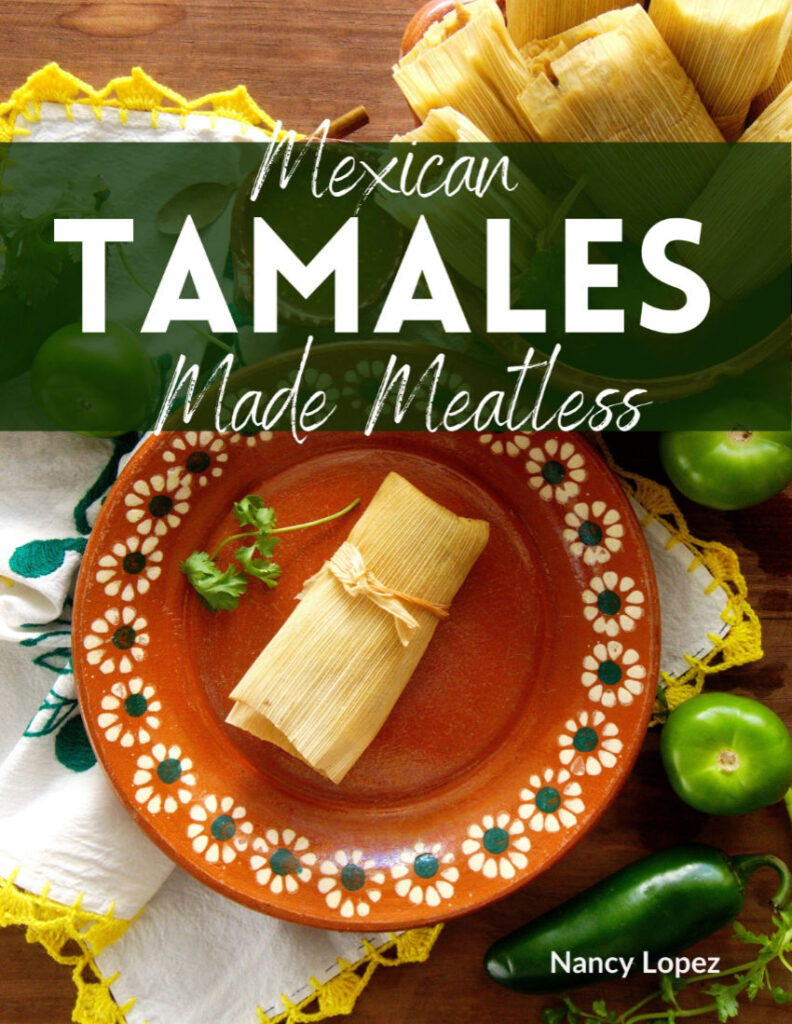
If you want more of my tamales recipes and fillings in one place, my Mexican Tamales Made Meatless cookbook has a whole collection, savory and sweet.
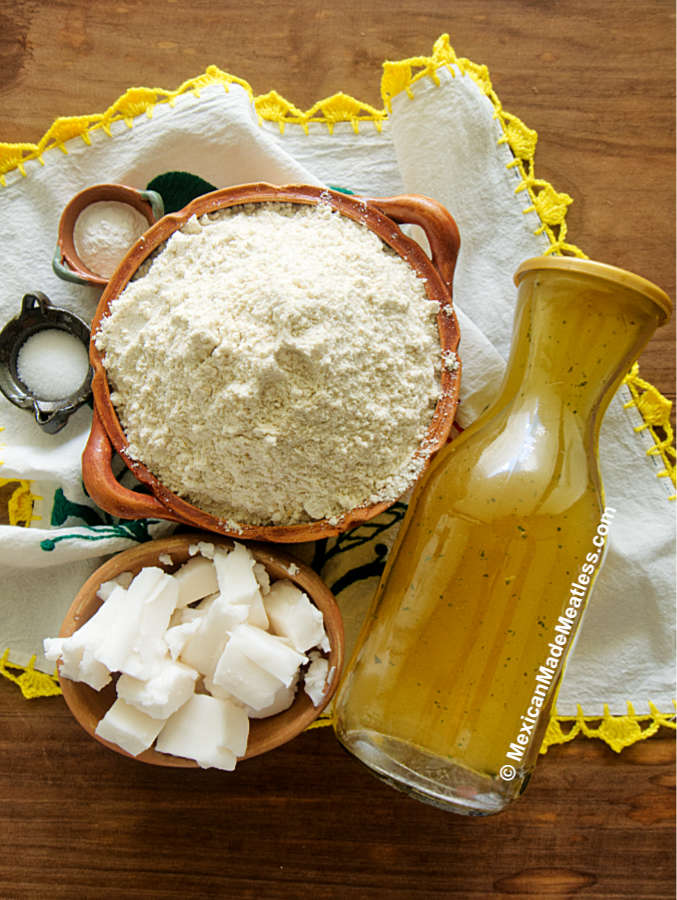
Tamales Dough Ingredients
Masa harina (or fresh masa): The corn dough base for the tamales. Look for masa harina labeled specifically for tamales rather than the tortilla version, the texture holds up better here. If you’re using fresh masa from a tortillería, ask for it unprepared, not the pre-mixed kind that already has lard and broth added in.
Vegetable shortening: This is what replaces the lard. Whipped until light and airy, it gives the masa that same fluffy texture traditional lard-based tamales are known for. If you’d rather use oil instead, I have a full oil-based version linked earlier in this post.
Baking powder: A leavener that helps the masa stay light instead of dense. Originally the masa was mixed by hand until light and airy. Nowadays, baking powder is added to the dough to help achieve the texture quicker and more consistently with less elbow grease.
Salt: Seasons the dough itself. Tamales lose some saltiness as they steam, so this matters more than it might seem.
Broth: Hydrates the masa and adds flavor. Vegetable broth keeps this fully plant-based, chicken broth works too if that fits how you cook. Either way, skip plain water, it leaves the masa tasting flat.
Ingredient Tips
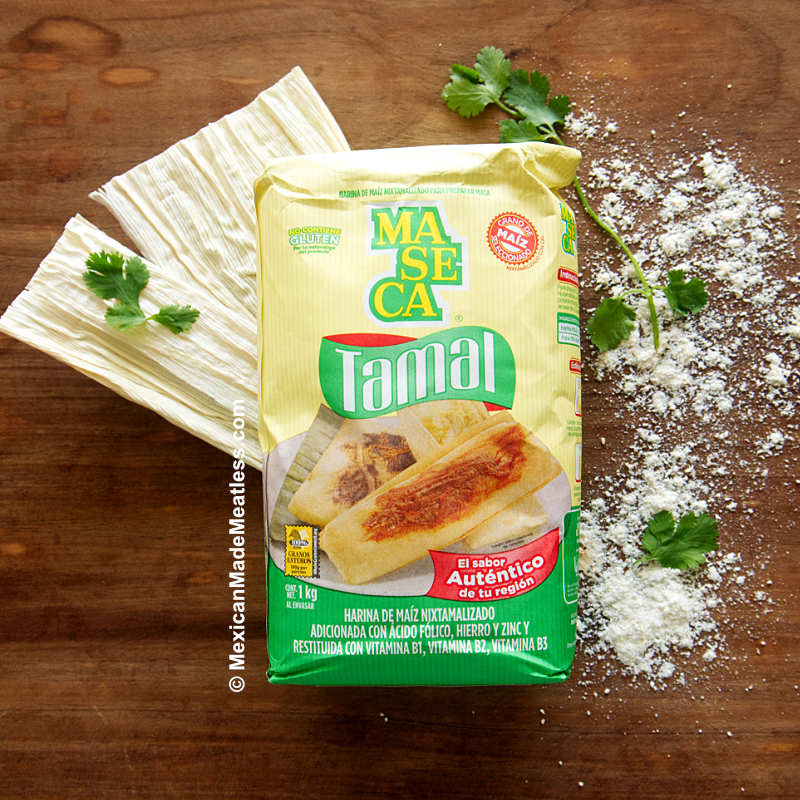
Most readers won’t have access to fresh masa, so masa harina is the easiest and most convenient option. It’s available at nearly any grocery store, or on Amazon if you don’t have a Mexican market nearby.
Maseca Tamal corn flour is the most common brand and the one I use most often. It can be a bit controversial among some home cooks, but it’s the most widely available, and my friend Rocio Carvajal from Pass the Chipotle has also recommended another brand you can find on Amazon if you want to try something different.
Whichever you choose, get whatever’s easiest and most budget-friendly for you, the technique matters more than the brand.
If you do have access to a tortillería, ask for unprepared masa, the same one used for their corn tortillas. Some tortillerías label it ‘S’ for sin preparar versus ‘P’ for preparada, so ask which is which if you’re not sure. Confirm it’s fresh corn masa or nixtamalized corn dough rather than masa preparada, there’s a real difference between the two, and you want the freshly ground, unprepared version for this recipe.
Instructions
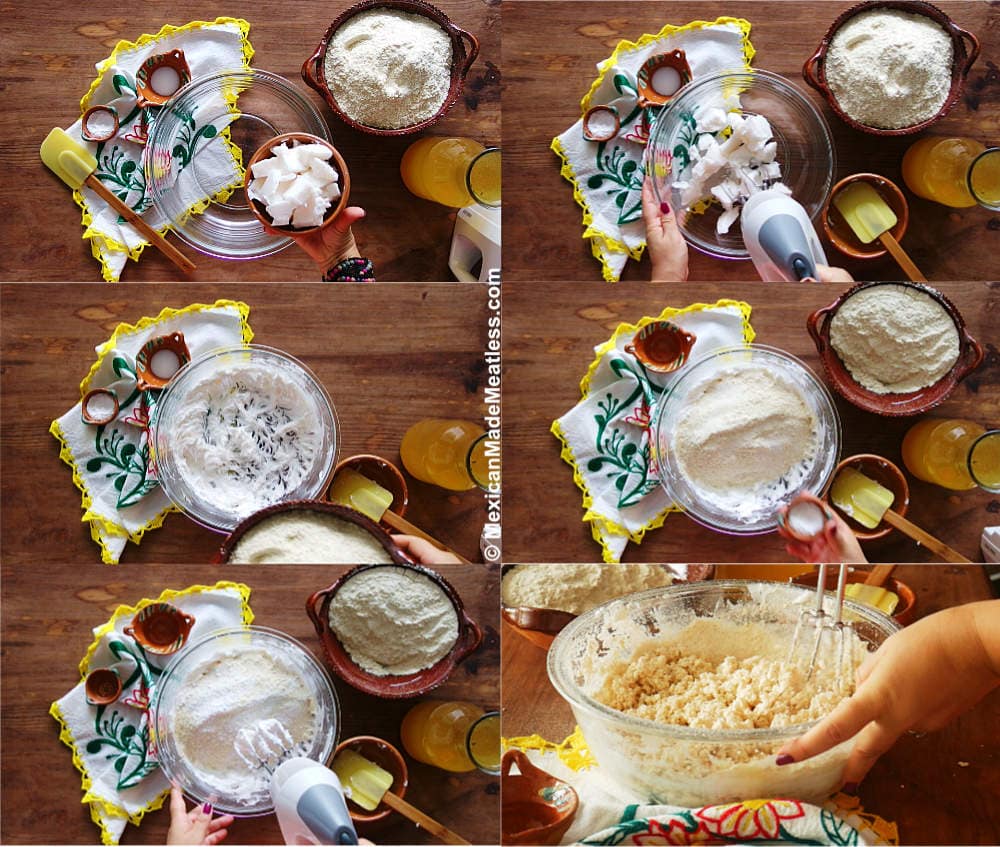
- Bring all your ingredients to room temperature first, this helps everything combine smoothly.
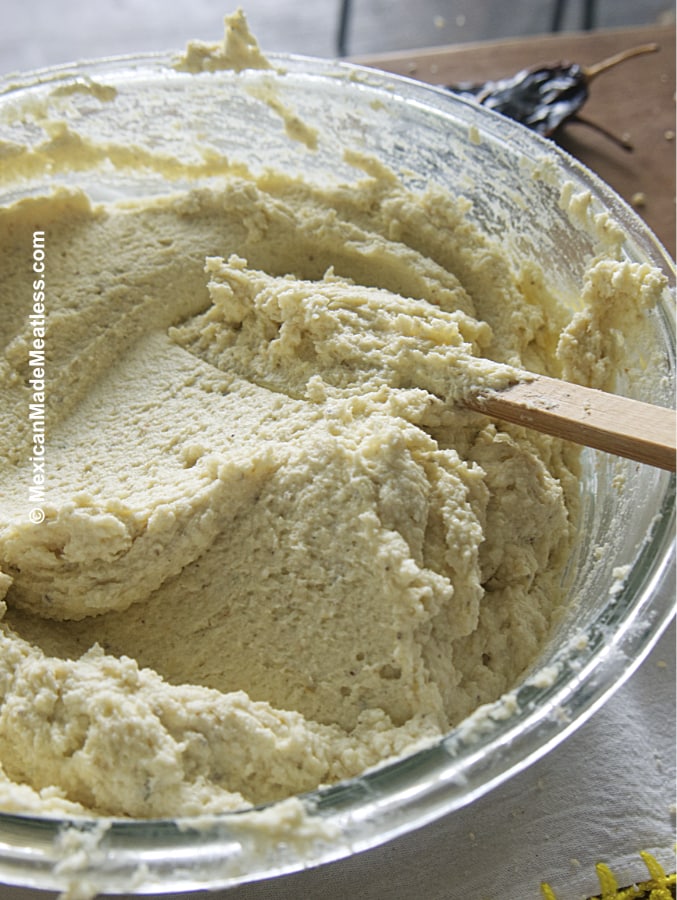
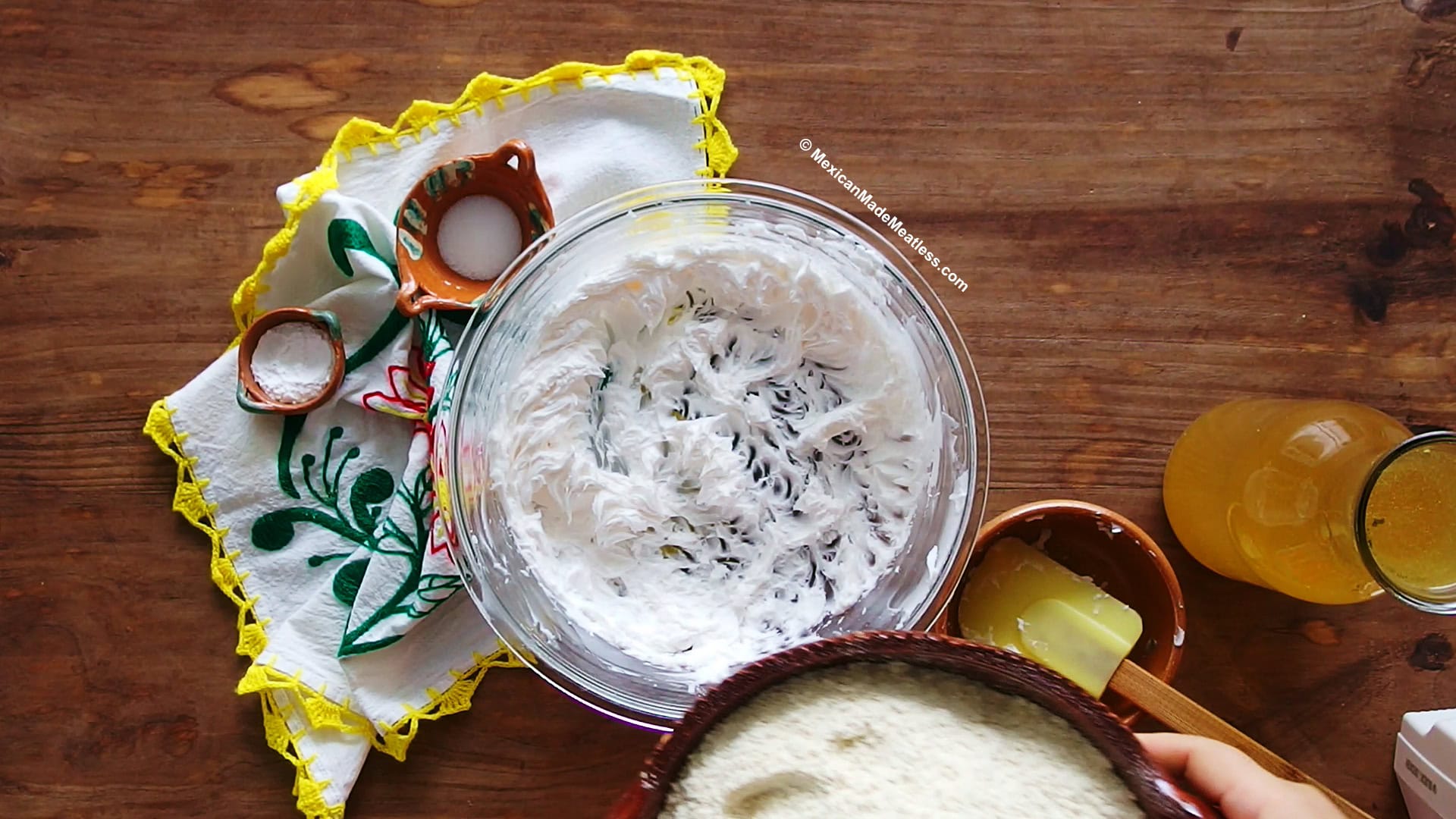
- Whip the shortening in a large bowl until it’s light, airy, and fluffy.
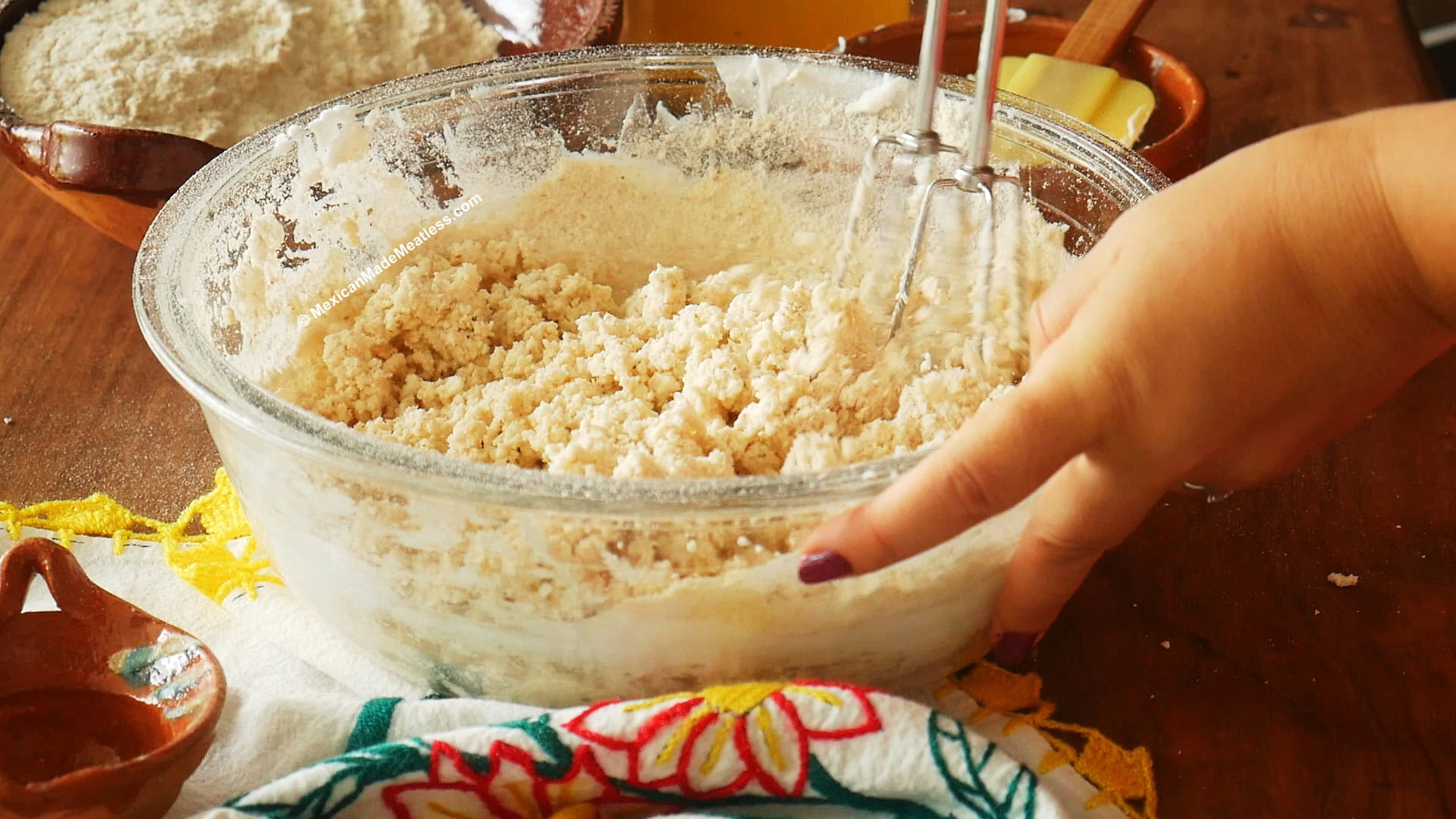
- Add half the masa harina along with the baking powder and salt.
- Mix on low speed until it looks like coarse crumbs, scraping down the bowl as you go.
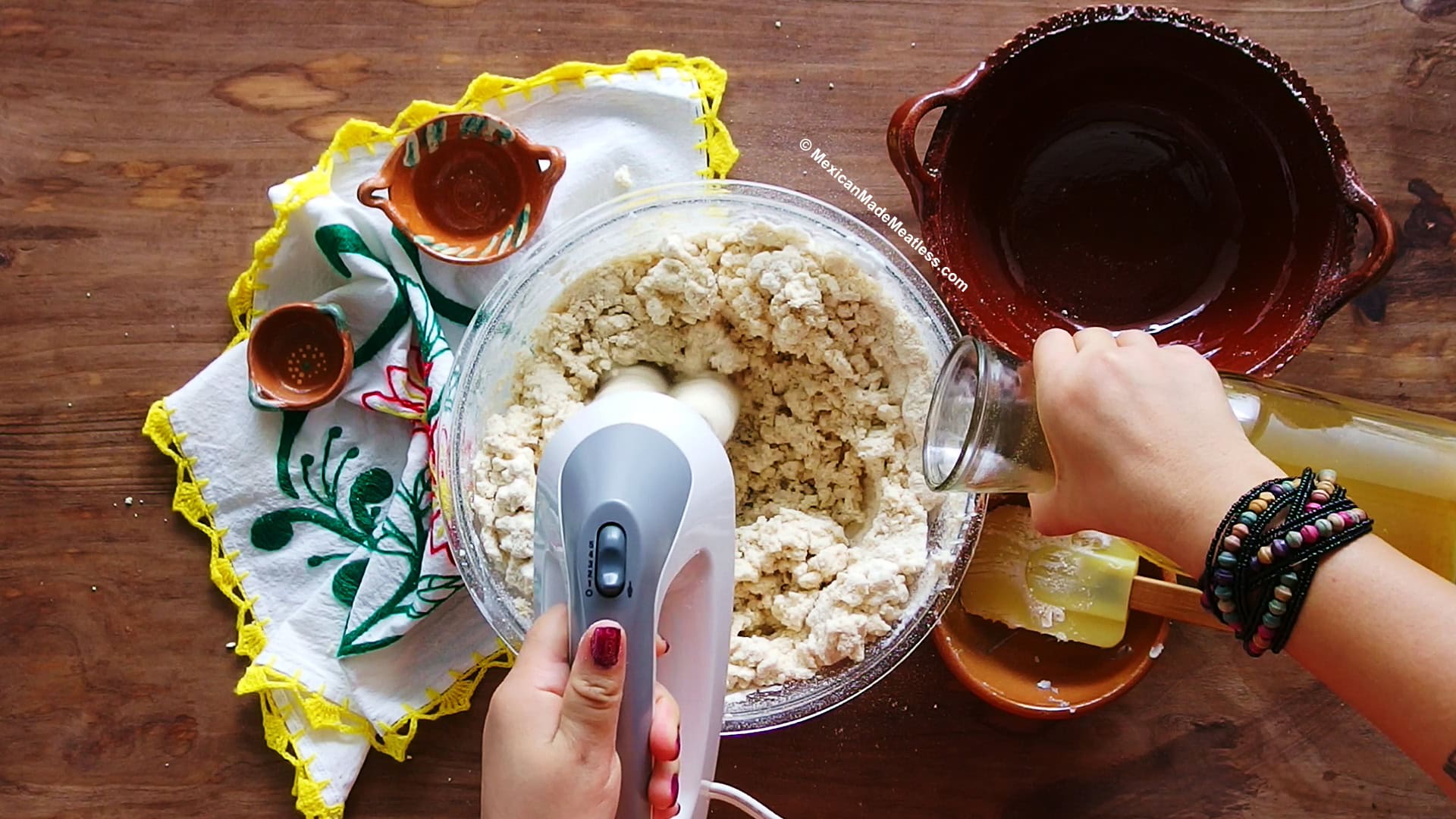
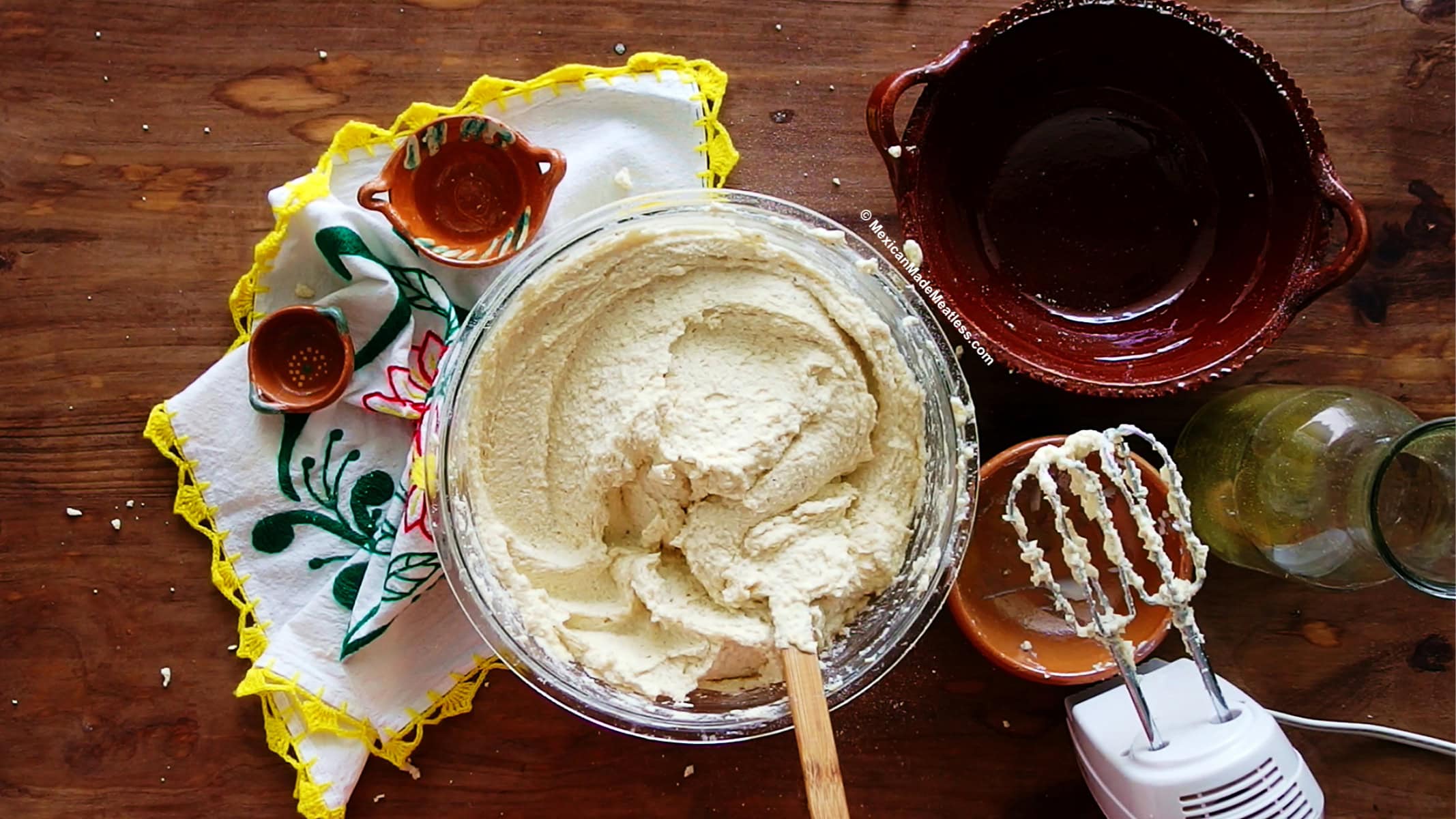
- Add the remaining masa harina and about 1 cup of broth. Mix, then gradually add more broth until the masa turns light, airy, and well combined.
- Not sure if it’s ready? Run the float test to check (full instructions below).
No mixer on hand? A wooden spoon or your hands work too, it just takes a bit more elbow grease (details further down).
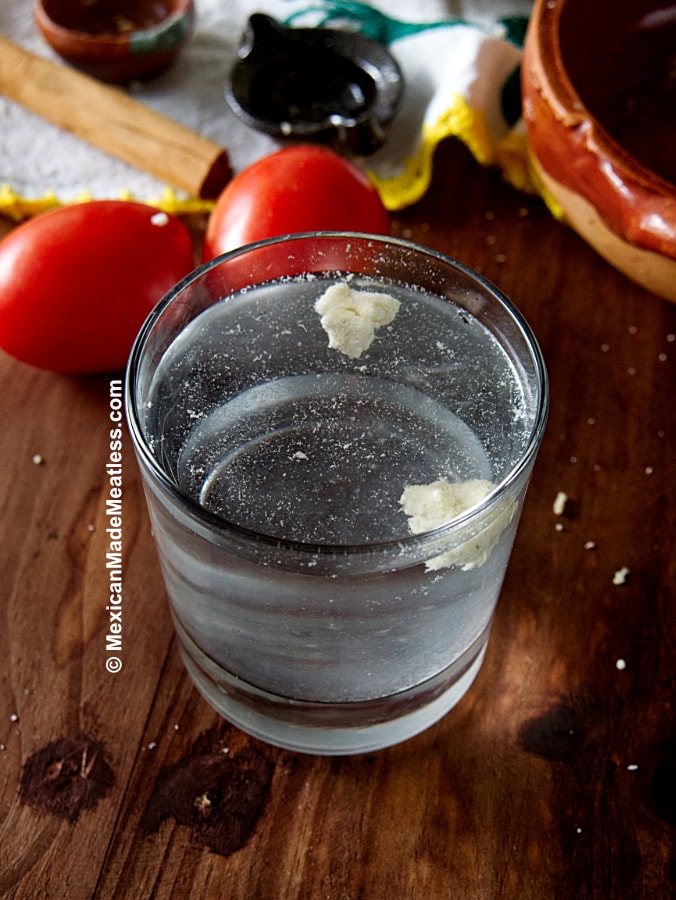
The Tamales Masa Float Test
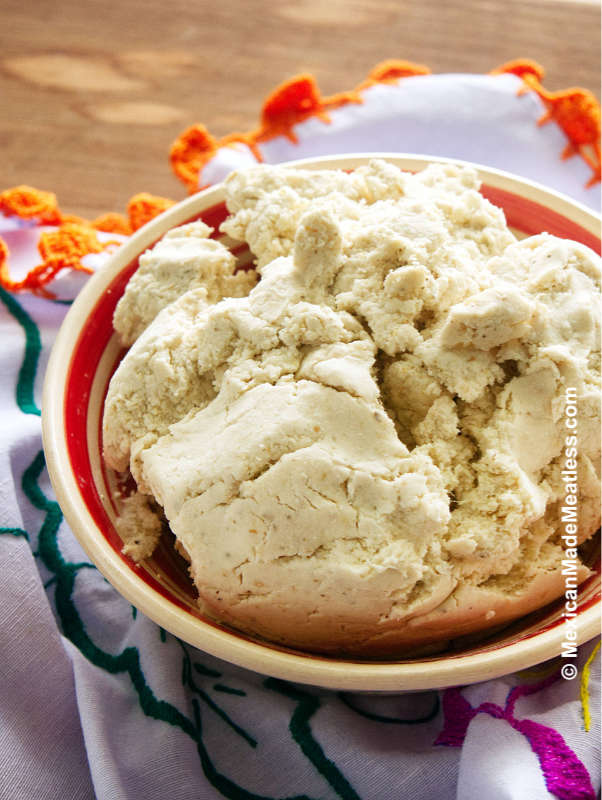
Once your masa looks light and well mixed, you can check if it’s ready with the float test, drop a small ball of masa into a glass of room temp water. If it floats right back to the top, it’s ready. If it sinks, keep whipping.
Not everyone bothers with this step, but I like it because it takes the guesswork out. For the full breakdown, including what to do if your masa doesn’t float, I’ve got a whole post on it: The Masa Float Test for Tamales.
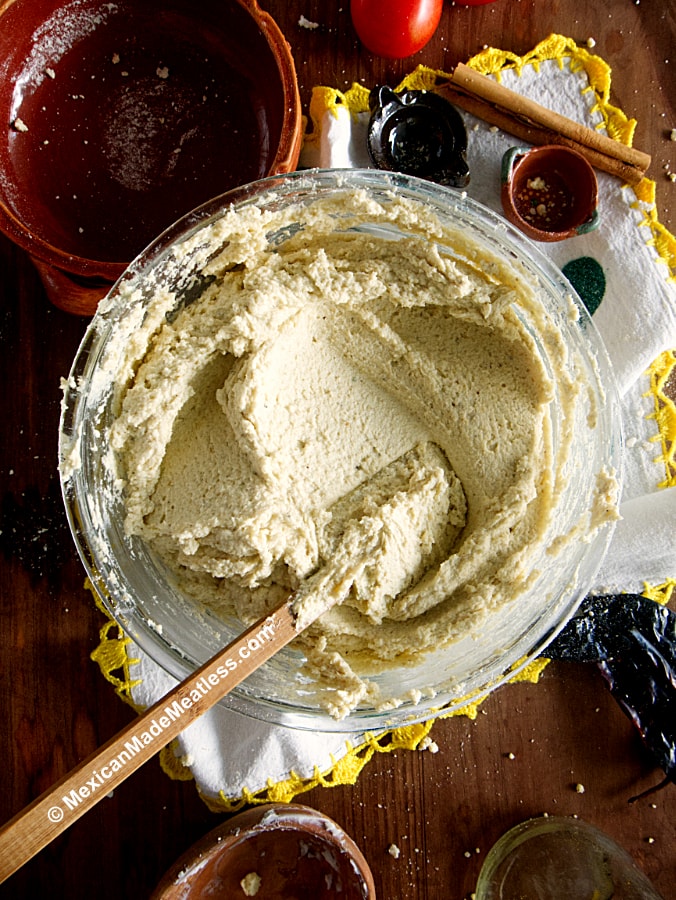
Nancy’s Expert Tips
• Season a little stronger than you think you need. Tamales lose some saltiness as they steam, so masa that tastes perfectly seasoned raw will taste slightly under-seasoned once cooked. A touch extra salt going in balances that out.
• Add broth gradually, not all at once. Pour in the broth a little at a time while mixing. If you dump it all in early, the masa can turn out too wet and won’t hold its shape on the corn husk.
• If your masa feels too thick to spread, add more broth. A tablespoon at a time is enough, you’re looking for a texture that’s easy to spread but still holds together, not runny.
• Don’t rush the whipping stage. Whether you’re using a mixer or your hands, the shortening needs real time to get light and airy before you add the masa harina. Skipping this step is the most common reason masa turns out dense instead of fluffy.
Variations of Tamales Masa Dough
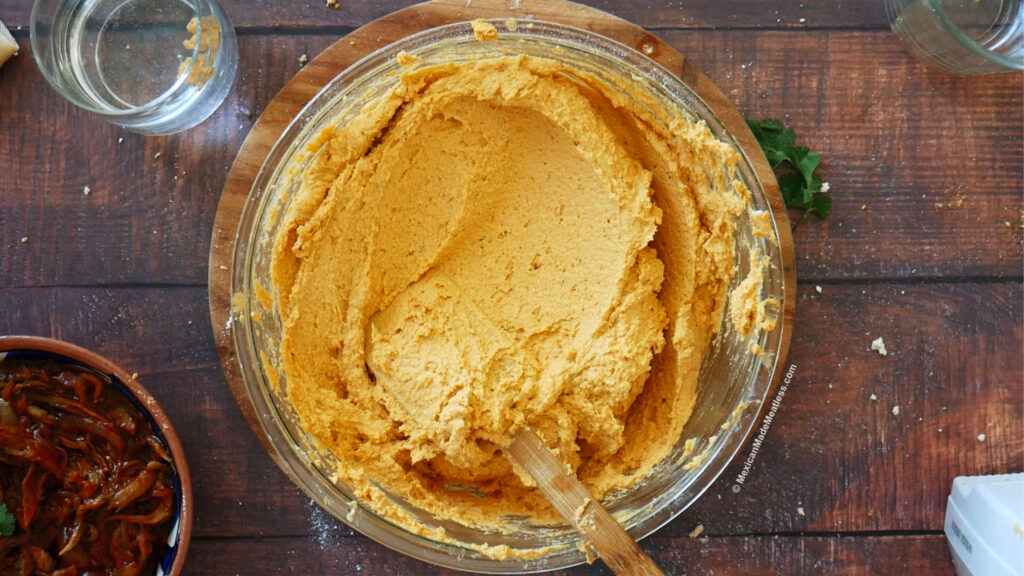
This masa is flavorful enough on its own, but there are regional and family variations worth knowing about.
Some cooks add a red chile sauce made from guajillos directly to the masa for red tamales, I have a full Vegan Red Masa recipe if you want to try that version. Others mix in spices like onion powder, cumin, or garlic powder straight into the masa harina.
For sweet tamales, like my strawberry or piña colada versions, I add butter, milk, and sugar to the masa instead, sometimes with red food dye too, a nod to the more traditional versions.
How to Serve
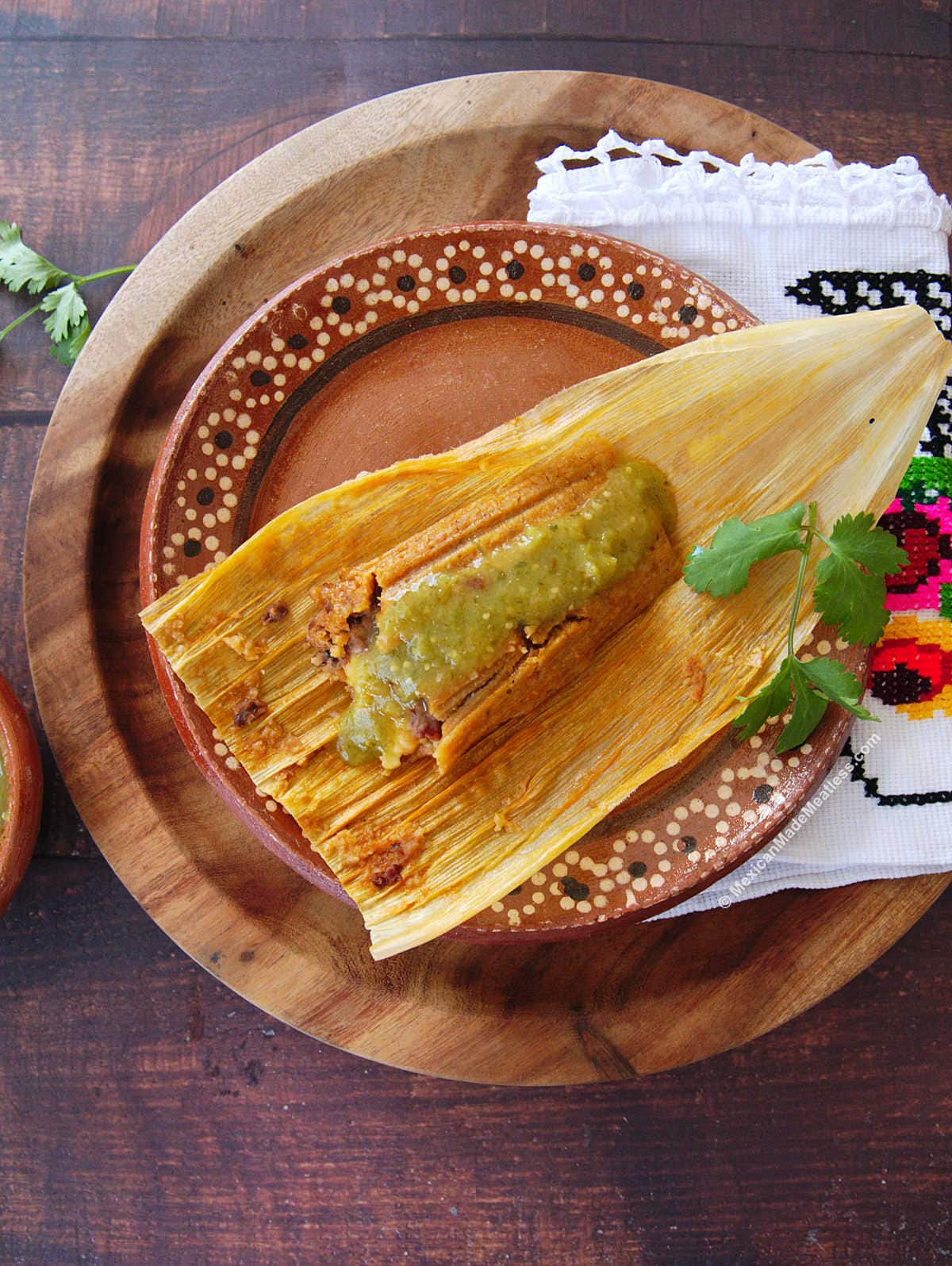
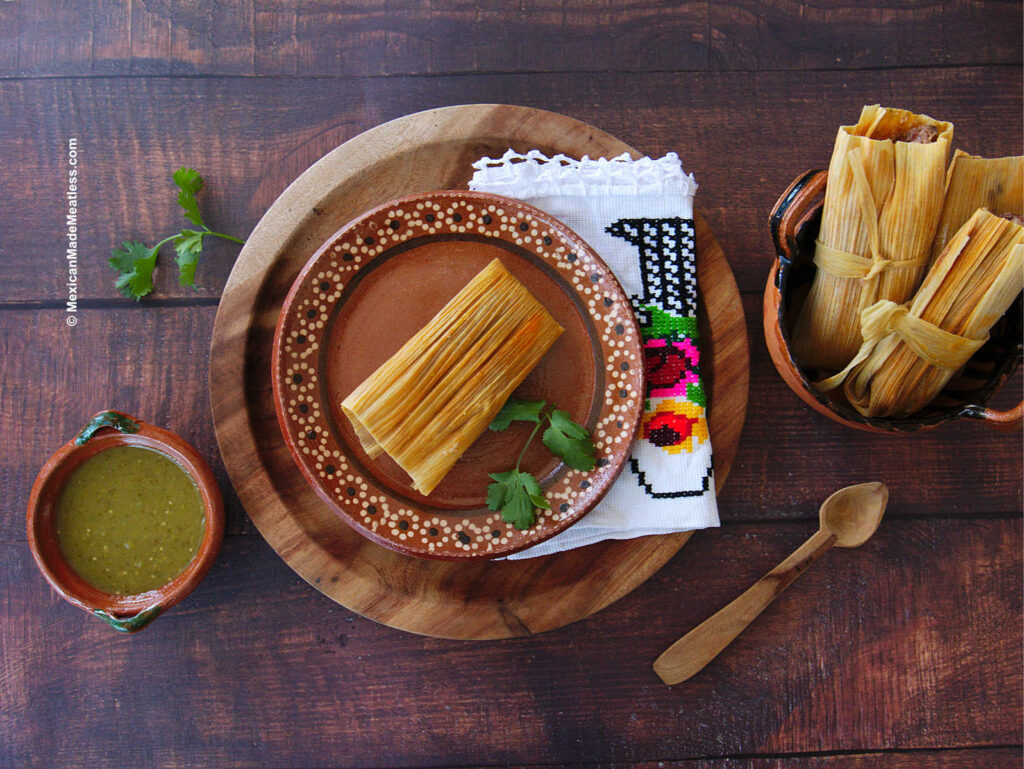
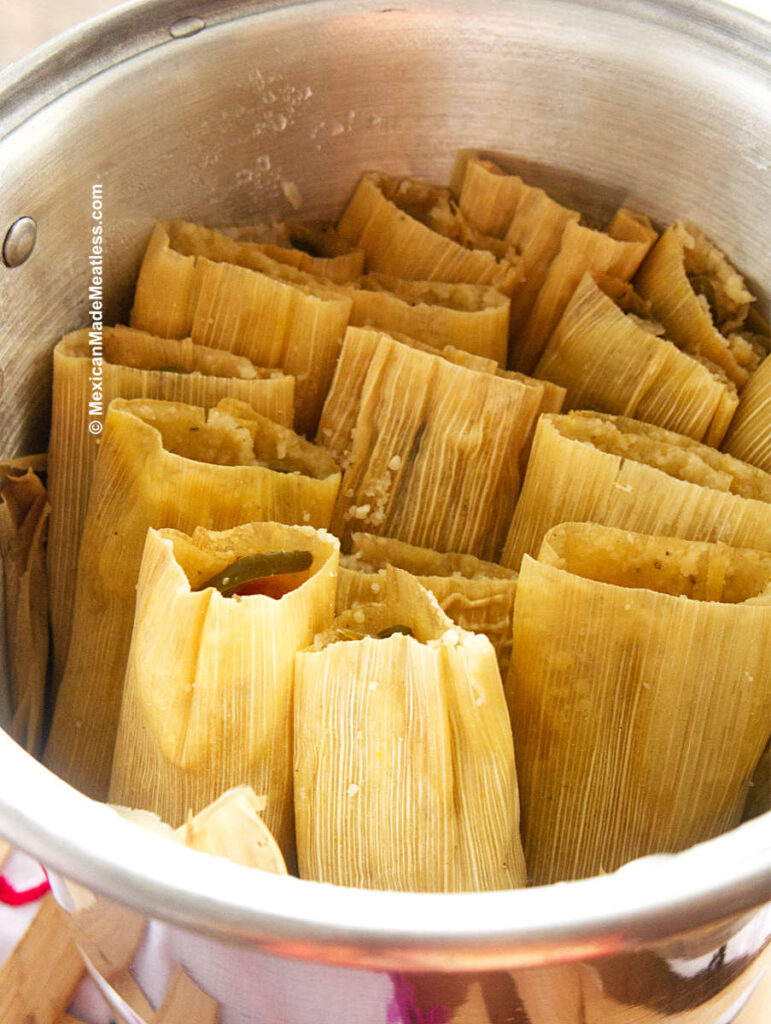
This masa works as the base for any savory tamales filling you like, red, green, bean and cheese, cheese and jalapeño, or something richer like birria. Once your tamales are steamed and ready, a simple plate of them with your favorite salsa on the side is honestly all you need.
For a full Mexican Christmas Eve spread, tamales pair naturally with a warm cup of champurrado alongside them, that combination is a tradition in a lot of Mexican households, mine included.
They also show up at Día de la Candelaria on February 2nd, when it’s customary to eat tamales after finding the baby Jesus figure in the Rosca de Reyes, and at family gatherings throughout the year whenever there’s something worth celebrating.
If you’re making a big batch for a tamalada (a tamale-making party), this masa doubles or triples easily, so don’t hesitate to scale it up for a crowd.
Storage and Make-Ahead Instructions
Store any leftover masa in an airtight container in the refrigerator for up to 2 days. Let it come back to room temperature before using it, and if it’s thickened up too much, mix in a splash more broth until it’s easy to spread again.
You can also make the masa a day ahead. Cover and refrigerate it, then bring it to room temperature the next day before spreading it on your corn husks. Test the texture with the back of a spoon, if it spreads easily, it’s ready, if not, work in a little more broth.
For longer storage, this masa freezes well too. I cover the full process, including how to thaw it properly, in Can You Freeze Masa for Tamales.
Tamales Masa FAQ
Can I use butter instead of shortening?
Yes, some people do, my sister makes both sweet and savory tamales with it. It depends on the butter though. The kind I have access to has a strong buttery flavor that I don’t love in savory tamales, but a lighter, milder butter works just fine if that’s what you have.
Do I need to do the float test every time?
No, it’s optional. Not everyone does it, but I like to since it tells me the masa has enough air whipped in and won’t turn out dense once steamed.
Can I make this masa without a mixer?
Yes, a wooden spoon or your hands work too. It takes more effort to get the same light, airy texture, but it’s completely doable.
What’s the difference between masa harina for tamales and regular masa harina?
Both work, but masa harina labeled specifically for tamales tends to give a slightly better texture for this use. If you only have the regular kind on hand, don’t worry, it’ll still turn out fine.
Can I use this masa with fresh corn masa instead of masa harina?
Yes, the process is basically the same, but fresh masa needs less broth to hydrate, and you’ll add it in broken-up chunks rather than all at once. If you can get fresh masa, the flavor is noticeably better.
Can I make the masa ahead of time?
Yes, you can prepare it a day in advance. Store it covered in the refrigerator and bring it to room temperature before using, adding a little broth if it’s thickened up too much.
Is this masa recipe vegan?
Yes, as long as you use vegetable broth. The shortening already replaces the lard, so vegetable broth is the only swap needed to keep the whole recipe vegan. Chicken broth works too if you’re not following a plant-based diet, it just won’t be vegan at that point.
Can I double or triple this recipe?
Yes, I’ve done it many times with great results. Just make sure you’re using a bowl or mixer large enough to handle the volume, and adjust your broth gradually the same way, since larger batches sometimes need slightly more time to reach the right texture.
Gracias
I’m so happy you stopped by. If you have any questions or want to let me know how you liked this recipe, do leave a comment. Muchas gracias, I appreciate you!
Masa for Tamales without Lard
Video
Ingredients
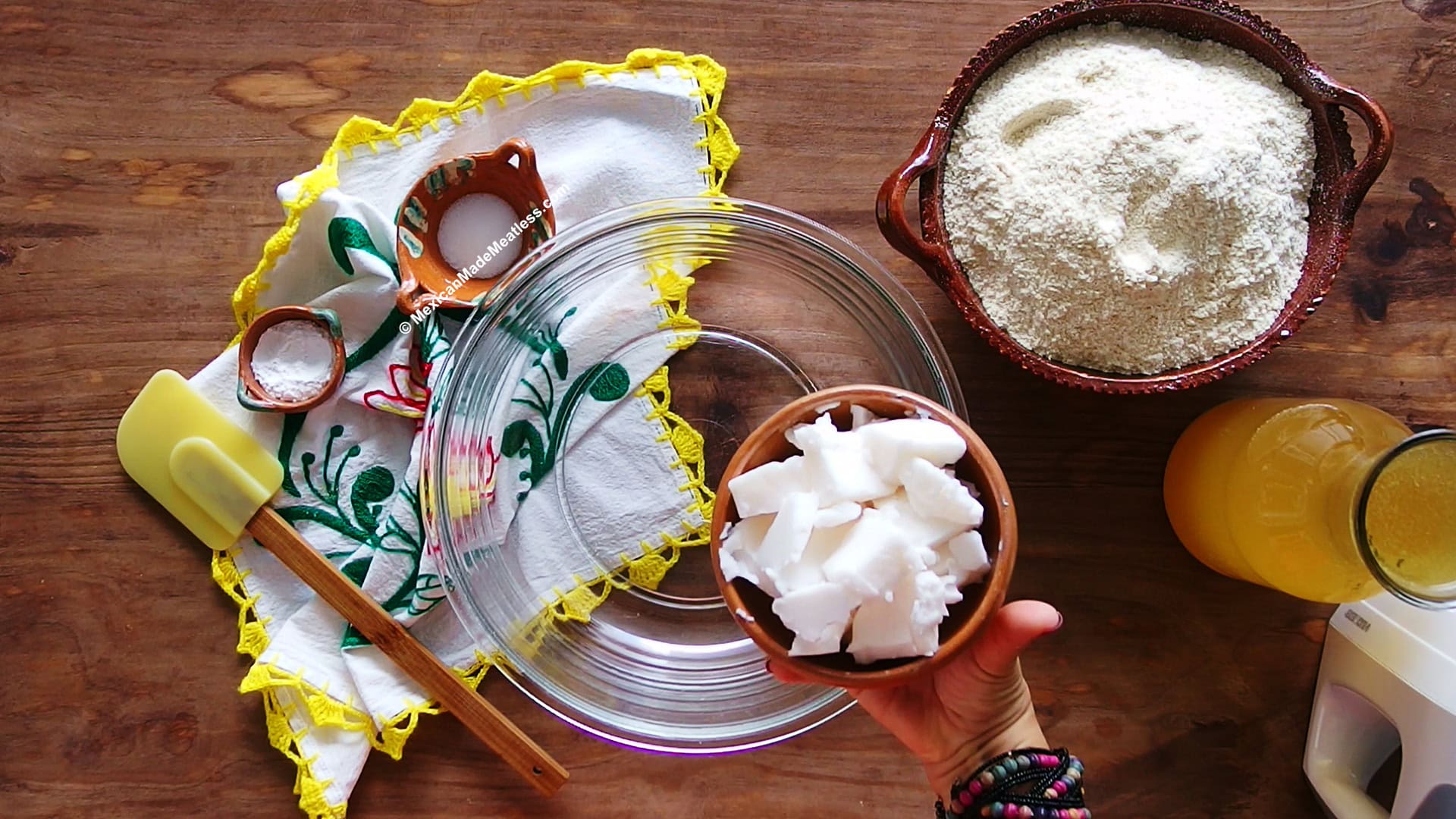
- 7 oz shortening at room temp, this is 1 cup
- 1.1 lbs masa harina for tamales I use Maseca brand
- 1 teaspoon baking powder
- 1 ½ teaspoons salt
- 3 to 5* cups low sodium vegetable broth (at room temp)
Instructions
To Make with a Handheld or Stand Mixer
- Whip the shortening in a large bowl until it's creamy, and fluffy. Use a large bowl, this recipe yields about 3 lbs. of masa.

- Add half the masa harina, all the baking powder, and the salt. Mix on low speed until it forms coarse crumbs.
- Add the remaining masa harina and 1 cup of broth, scrape down the sides of the bowl, mix well.
- Keep adding broth gradually, stop to scrape down the bowl, and mix until the masa is smooth, creamy, airy and spreadable.
To Mix by Hand
- Mix the shortening in a large bowl until creamy and smooth.
- Add the baking powder and mix until well combined.
- Add the salt, then start incorporating the masa harina little by little.
- Pour in the broth gradually, mixing as you go, until the masa is smooth, airy and spreadable.

Recipe Notes & Pro Tips
Nutrition
Want Vegan Tamales and Vegetarian Tamales Recipes
If you are looking for the most delicious vegan tamales and vegetarian tamales recipes make sure to grab a copy of my tamales cookbook, Mexican Tamales Made Meatless!
Use discount code BLOG10 to get 10% off at check out!

Nancy Lopez is a Mexican-born published cookbook author and recipe developer with 20+ years of cooking experience. Raised in the U.S. and now living in North-Central Mexico, she creates authentic vegan and vegetarian Mexican recipes rooted in tradition and tested for real home kitchens. Read more…