Easy Recipe for Tamales Masa with Oil and Masa Harina
If you want to skip the lard but still get soft, flavorful tamale masa, this tamale masa recipe with oil is an easy swap. It uses canola oil and masa harina, so you get a light, tender dough without any special equipment or hard-to-find ingredients.
Vegetable shortening is still my first choice because it’s closest to the lard masa I grew up eating. But oil is what I reach for when I want lighter, healthier tamales or when I’ve run out of shortening, and it holds up just as well. If you want the shortening version instead, I have a full recipe for that here too.
This masa comes together with just five ingredients, and I’ll walk you through exactly how much oil and broth to use so your dough turns out soft and spreadable every time.
Quick Answer: How Do You Make Tamale Masa with Oil?
To make tamale masa with oil, mix masa harina with salt and baking powder, then add oil and vegetable broth. Beat until the dough is smooth and spreadable, about the texture of peanut butter. Use canola, corn, vegetable, or avocado oil for the best neutral flavor. This method skips lard and shortening entirely and makes about 18 servings of masa.
Recipe at a Glance
- What it is: A tamale dough made with masa harina and oil instead of lard or shortening.
- Cuisine: Mexican
- Dish type: Tamale dough / base recipe
- Difficulty: Easy
- Ready in: 15 minutes prep
- Method: Stand mixer, hand mixer, or by hand
- Key ingredients: Masa harina, canola oil, vegetable broth, baking powder, salt
- Flavor: Light, tender, neutral, corn-forward
- Best for: Holiday tamale making, healthier tamales, quick prep, dietary substitutions, sweet or savory fillings
- Yields: About 18-24 tamales, depending on the corn husk size (doubles or tirples easily for larger batches.
Masa for Tamales
Tamales take patience, but the effort is what makes them worth it. In Mexican households, the recipe usually gets passed down from one generation to the next, which is part of why tamales feel so tied to family gatherings, holidays, and special occasions.
The masa is the foundation. Before you can even think about filling and folding, the dough needs the right texture and enough flavor to carry the whole tamale.
Did you know that the original tamales going back to pre-Hispanic times did not include any type of fat or oil?
Fat is a more modern addition to tamale masa. Pork lard is the most traditional choice, followed by vegetable shortening. Oil-based masa came along later as a healthier adaptation for people who still wanted the traditional dish.
About 8 years ago, I ran out of shortening while getting ready to make tamales. My sister had run into the same problem before and told me she’d used oil instead, so I decided to try it. I was surprised at how close the texture and flavor came out. Once the tamales were steamed, you honestly couldn’t tell they were made with oil instead of shortening. Oil has been my backup method ever since.
This tamales masa with oil recipe is still full of flavor and works for both savory and sweet tamales.
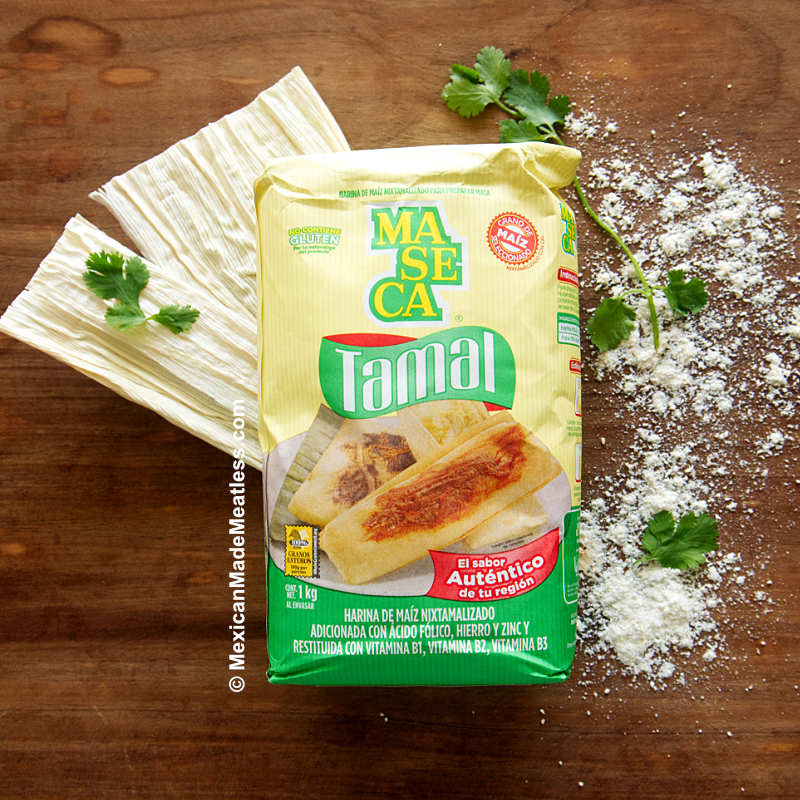
💡 You can make this recipe with either masa harina or fresh masa from a tortillería, though this post focuses on masa harina for convenience. If you’re not sure which to use, I break down the difference between fresh masa and masa harina in more detail in my guide on freezing masa for tamales.
Tamale Masa with Oil
Amigos, for this recipe we’re using masa harina instead of fresh masa, and Maseca is my go-to brand. I know some people have opinions about it, but it’s consistently given me the best results when fresh masa isn’t available.
Paired with a lighter fat option like oil, the result is a rich, flavorful masa that works great for my vegan tamales.
If you’d rather work with fresh masa instead of masa harina, I walk through that version in my tamales cookbook.
Why You’ll Love This Recipe
• Just 5 ingredients and nothing you can’t find at a regular grocery store.
• Healthier than lard or shortening, and works whether you’re plant-based or not.
• More convenient than fresh masa, since it keeps well and won’t spoil in a day or two.
• Adapts to sweet tamales too, just swap the vegetable broth for milk or fruit juice depending on the flavor you’re going for.
• Comes together fast, about 15 minutes of hands-on time before it’s ready to spread.

Ingredients Needed
• Masa Harina: I use Maseca masa for tamales.
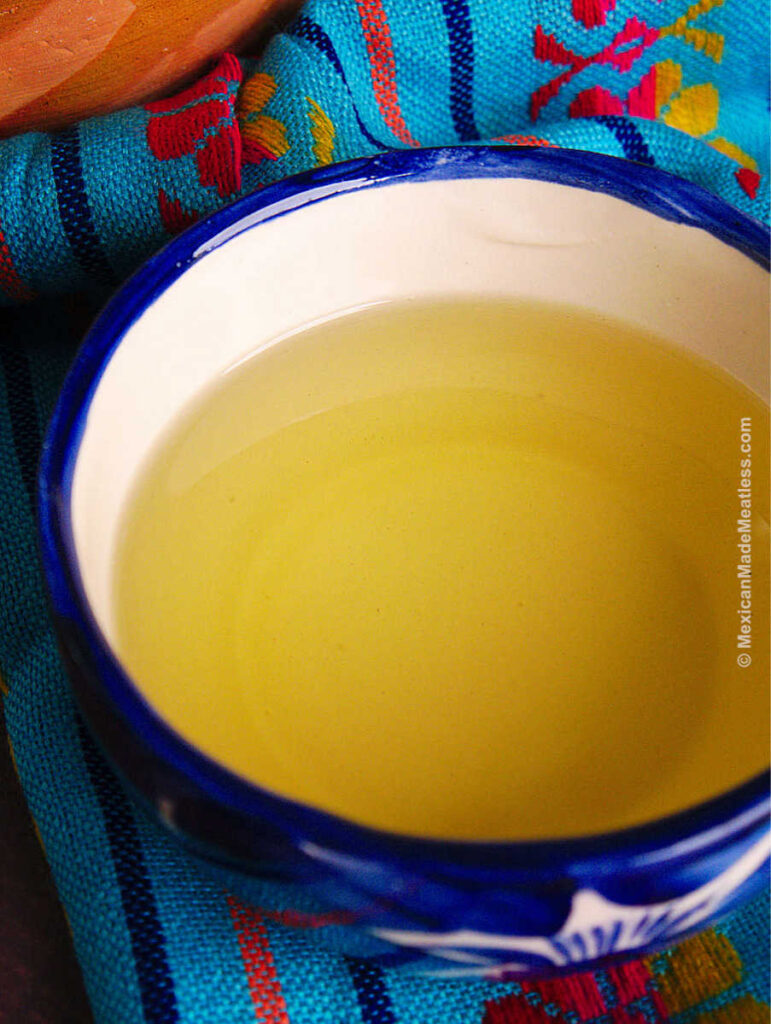
• Vegetable Broth: Adds depth of flavor. Skip the water if you want a flavorful masa.
• Salt: Brings out the flavor of all ingredients.
• Baking Powder: Help keep the dough light, airy, and fluffy.
• Oil: Adds richness and keeps the masa from turning out too dense.
What Oil To Use
Any neutral vegetable oil works well here. My favorites are canola oil, corn oil, and avocado oil.
I skip coconut oil and olive oil. Coconut oil isn’t one I cook with often, and while I use olive oil in a lot of my cooking, it adds a flavor to tamale masa that I don’t love, plus it can tint the dough slightly.
Is Tamale Masa with Oil Vegan Friendly?
Yes.
This recipe is a great fit whether you’re fully plant-based or just looking for a lighter tamale option.
Even when people swap lard for oil, they’ll often still use chicken broth. This version skips that too, using vegetable broth instead, so it’s fully plant-based from ingredient to ingredient.
It also works with just about any filling, so you’re not limited on the vegan tamales you can make with it.
How to Make Tamale Masa with Oil and Masa Harina
Making tamales masa isn’t difficult, it just takes a little time and patience. You can mix it by hand, with a hand mixer, or in a stand mixer. I use a hand mixer, mostly out of habit at this point.

Step 1: Mix Dry Ingredients
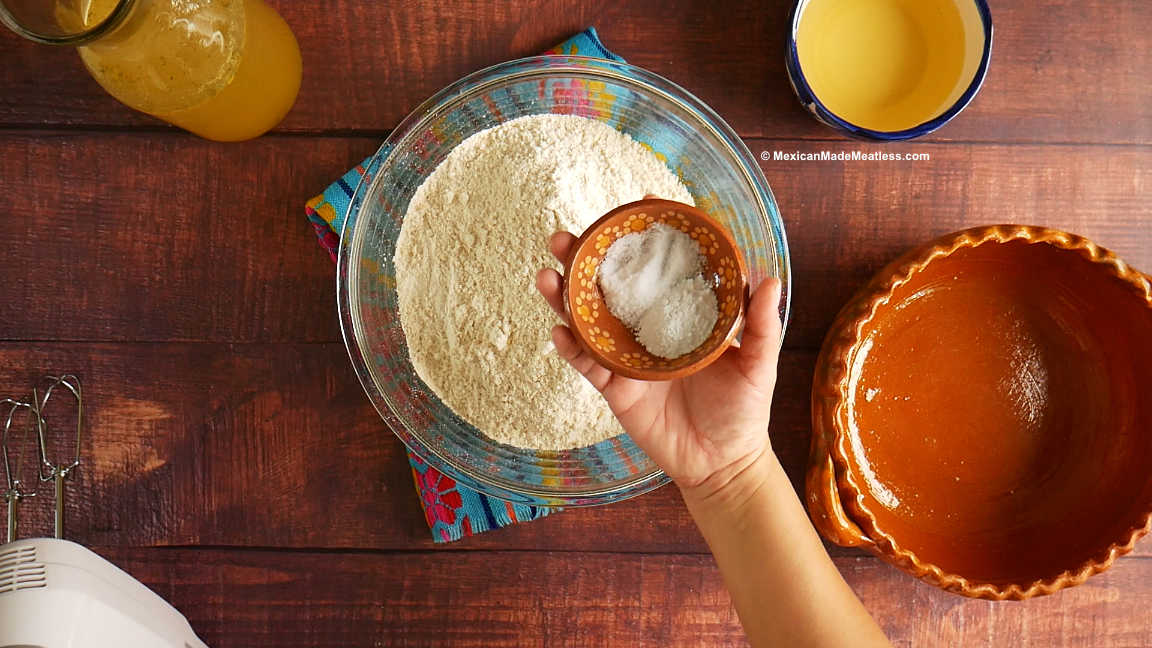
In a very large bowl, combine the masa harina, salt, and baking powder. Mix with your hands until well incorporated.
Step 2: Add Liquid Ingredients
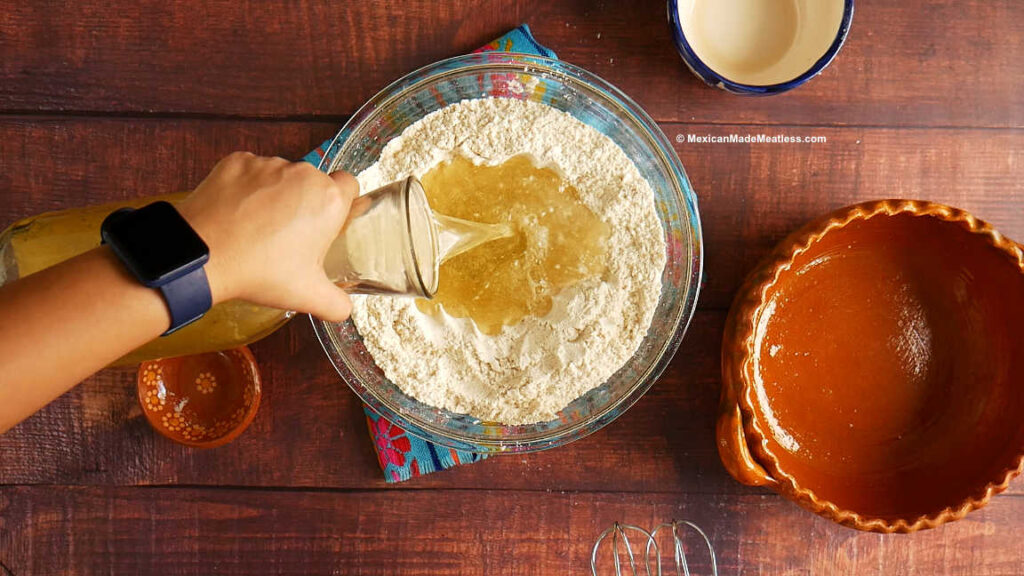
Make a well in the center of the dry mix. Pour in the oil and about 1 cup of the vegetable broth.

Step 3: Mix
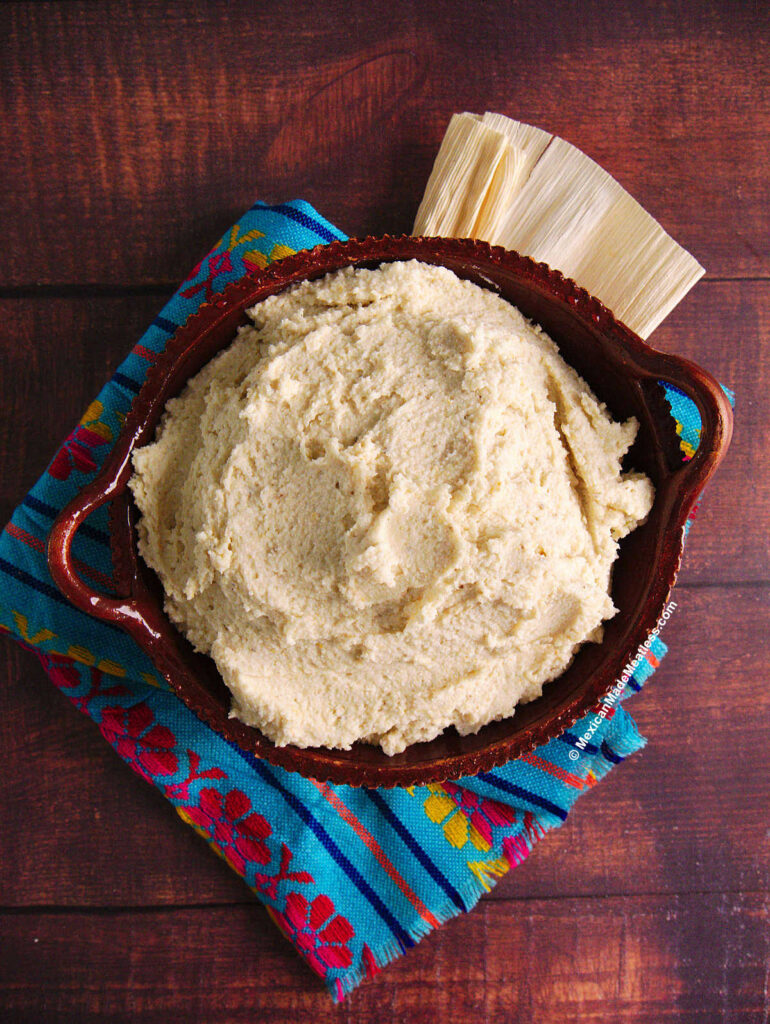
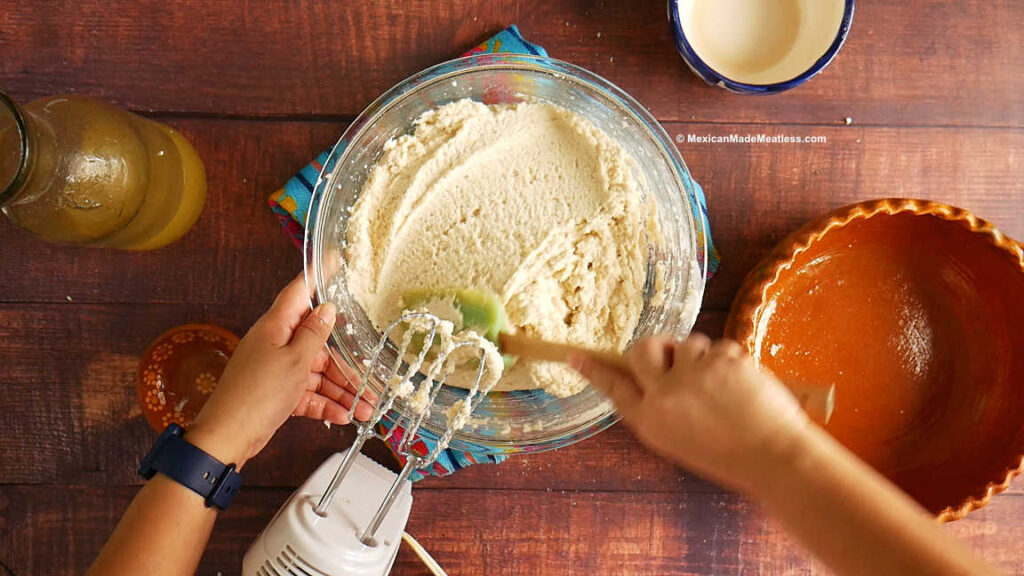
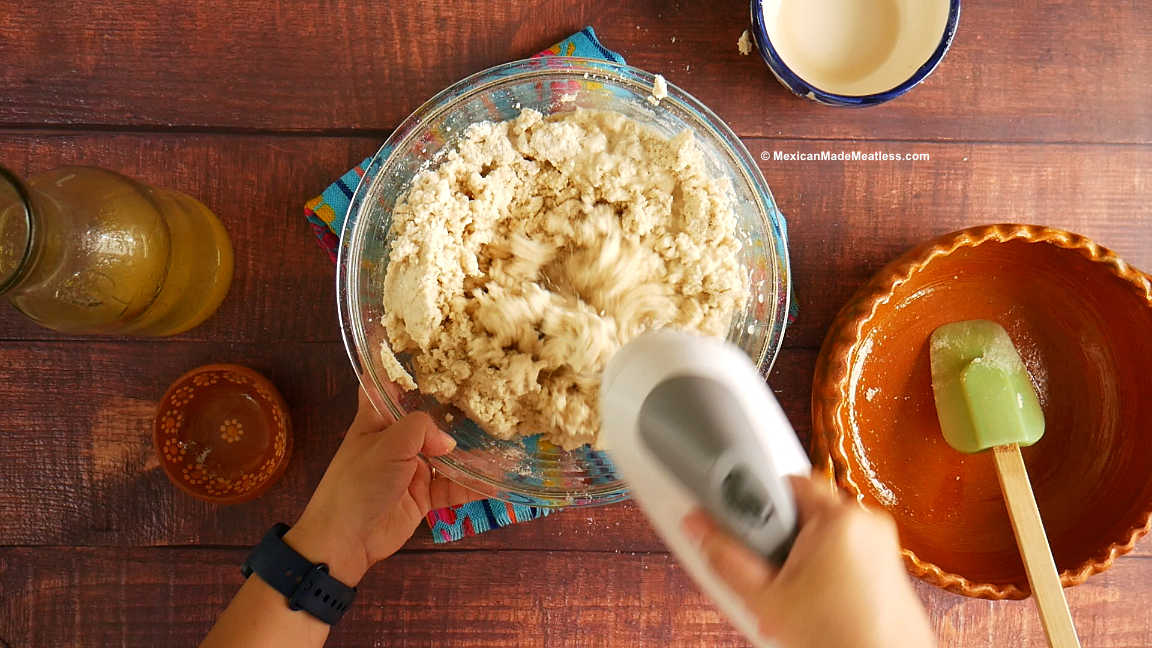
Start on low speed, then increase to medium-high, adding broth gradually until the masa is smooth and tender, like peanut butter. Stop occasionally to scrape the bowl for even mixing.
The amount of broth you need depends on your kitchen’s humidity. I live somewhere humid, so I usually need less than the recipe’s upper range calls for.
Step 4: Ready to Use
Your masa is ready to spread on soaked corn husks, fill, and steam.
How to Store Your Tamale Masa
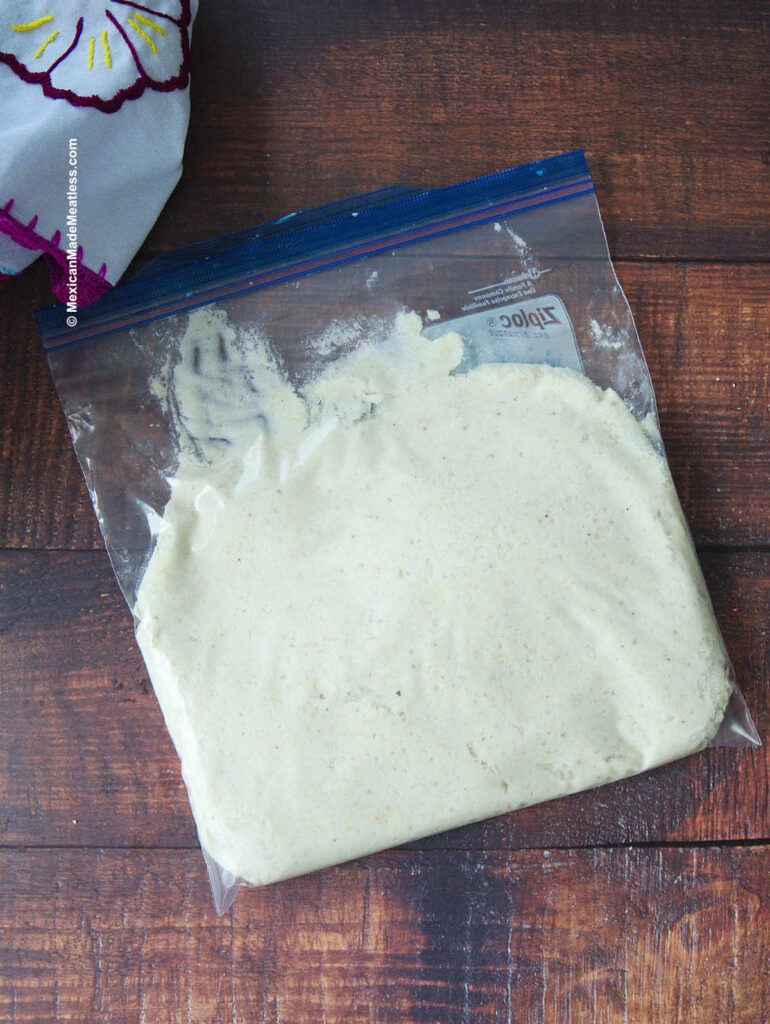
If you end up with leftover masa, don’t toss it, it stores well for later use.
For short-term storage, keep it in an airtight container, or wrap it tightly in plastic wrap if you don’t have one big enough. Let the masa cool to room temperature before refrigerating.
To freeze it, use a freezer-safe container that seals tightly to prevent freezer burn. For defrosting steps, see my full guide on freezing masa for tamales.
Filling Ideas for Tamales Masa with Oil
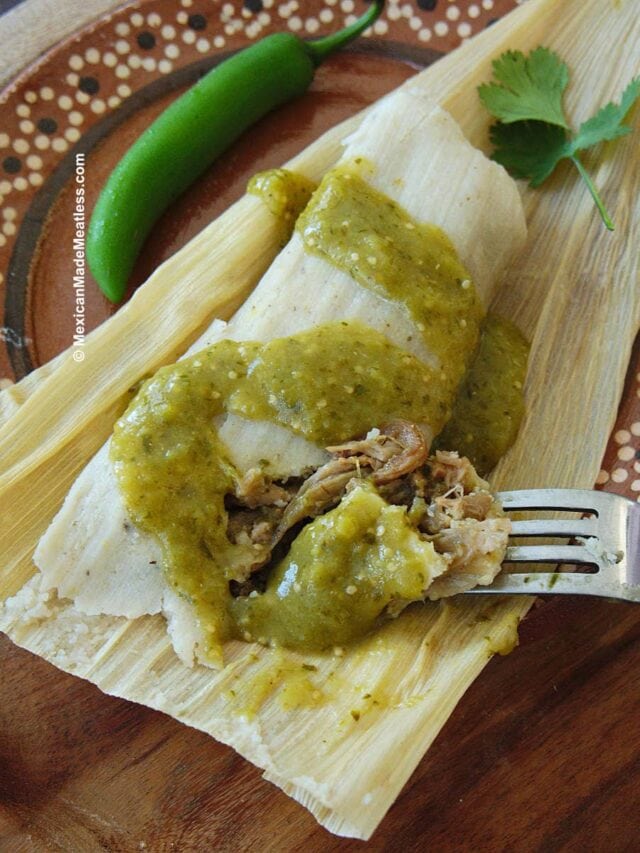
This masa works well for both savory and sweet tamales, so it’s a good one to keep on hand for the holidays, Sunday family gatherings, or any time you’re in the mood for a tamale-making session.
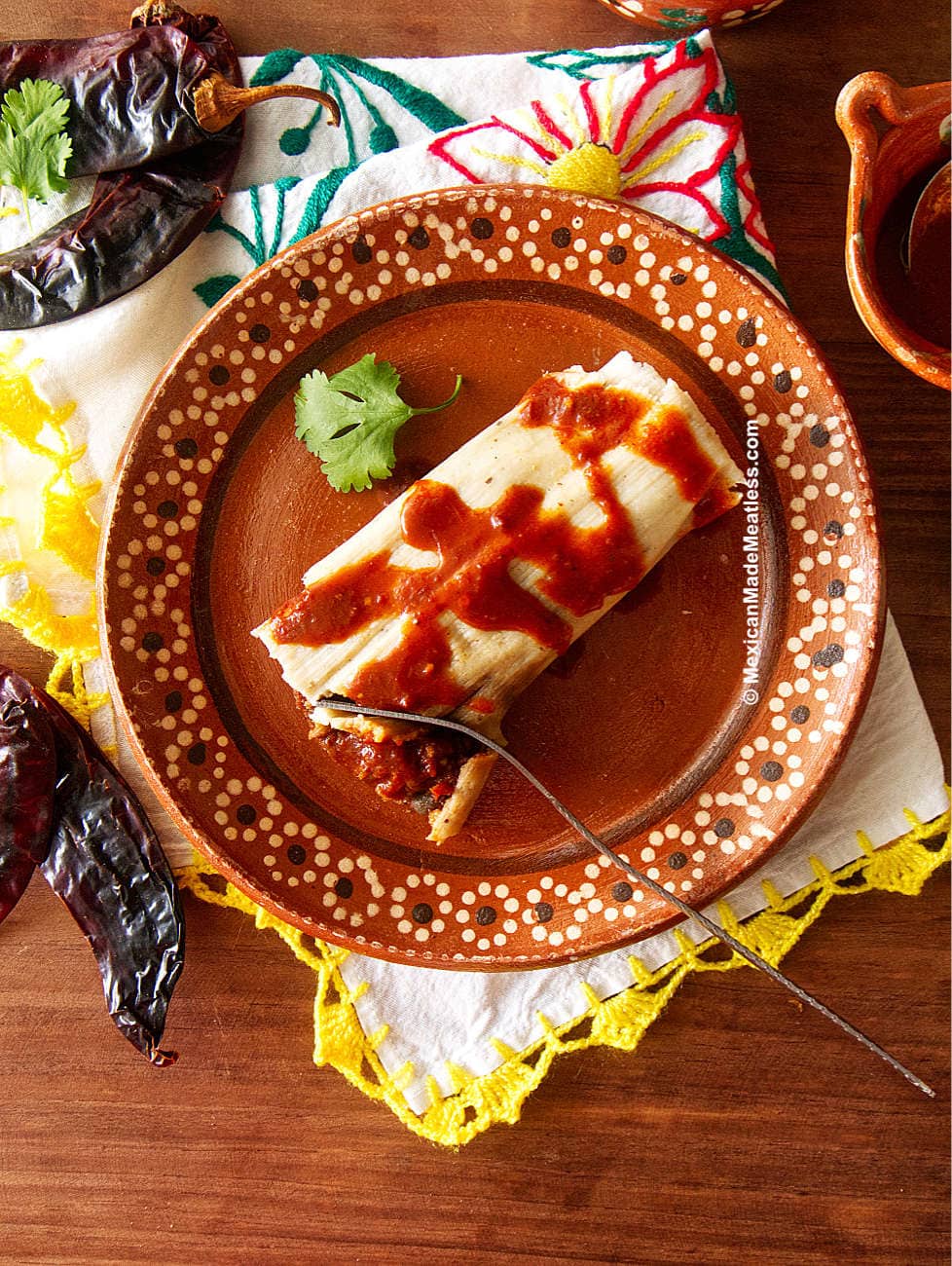
Tamales can be filled with just about anything, from traditional options like pork in salsa roja to chicken in salsa verde, and plenty of creative combinations in between. Here are a few of my plant-based tamale recipes to pair with this masa:
- Vegan Tamales Rojos
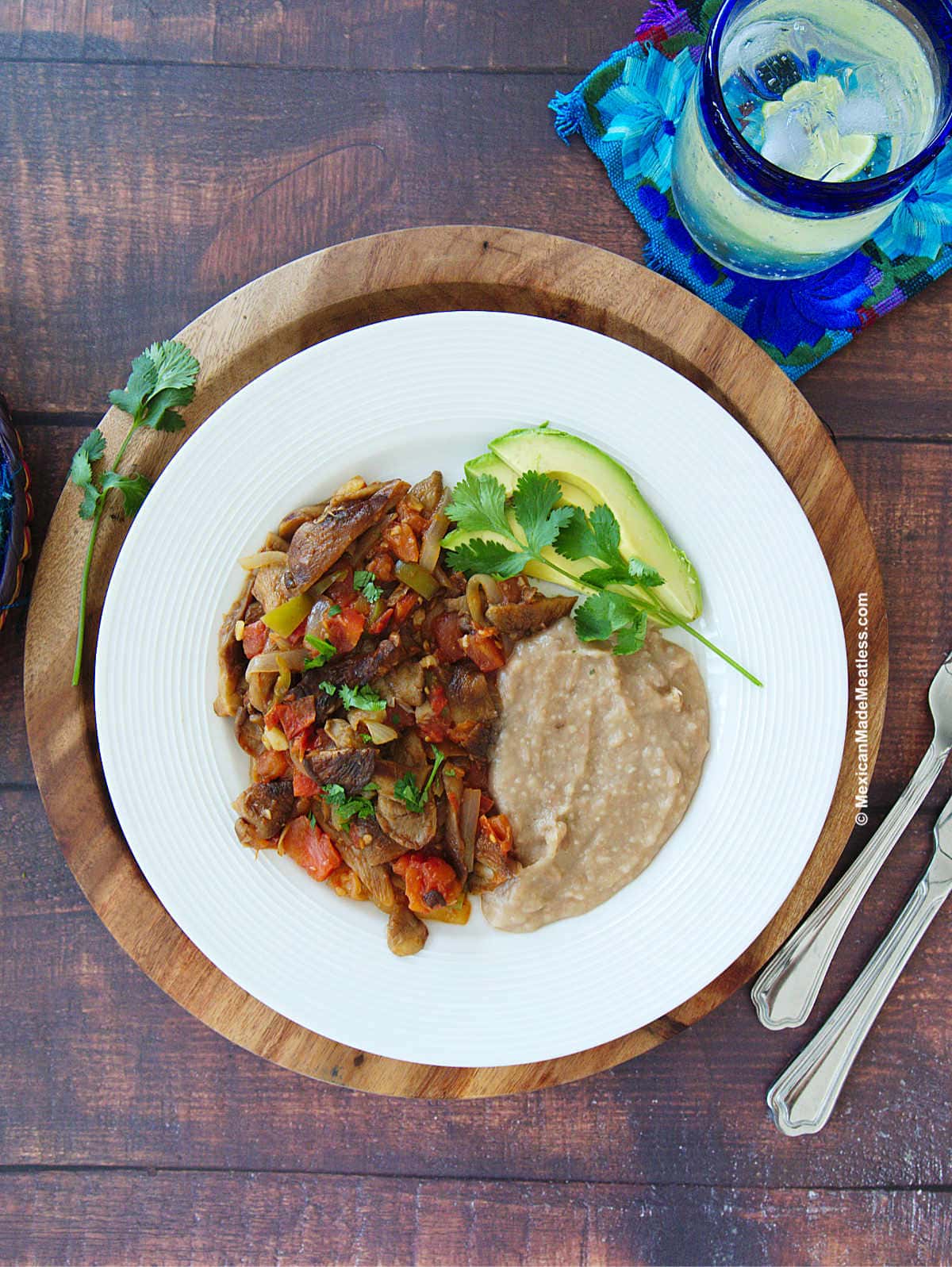
- Tamales Verdes (Jackfruit & Mushroom)
- Bean and Cheese Tamales
- Cheese and Jalapeño Tamales (Tamales de Rajas)
- Birria Tamales

Tamales Masa with Oil FAQ
How can I tell the tamale masa dough is ready?
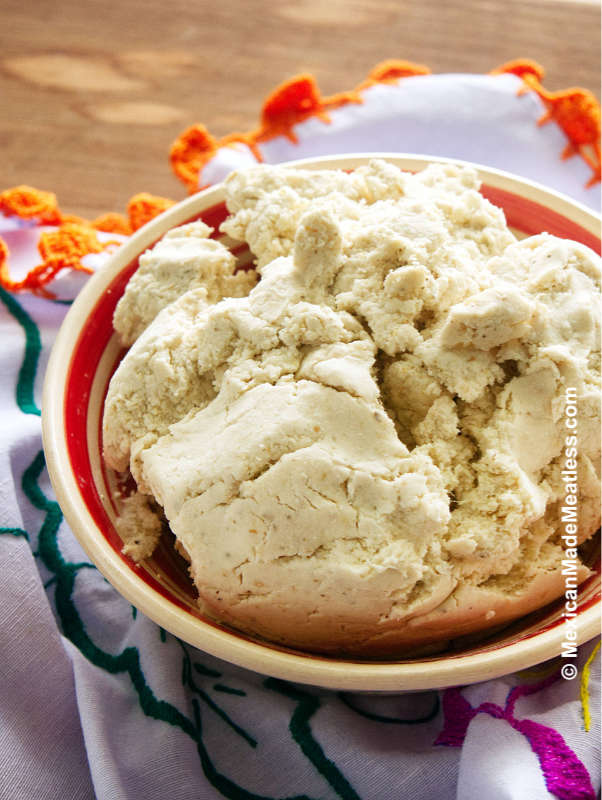
It should be smooth and creamy, similar to peanut butter, and easy to spread evenly on soaked husks. If it feels more like wet sand and doesn’t spread easily, mix in a little more broth, a small amount at a time, until it reaches the right texture.
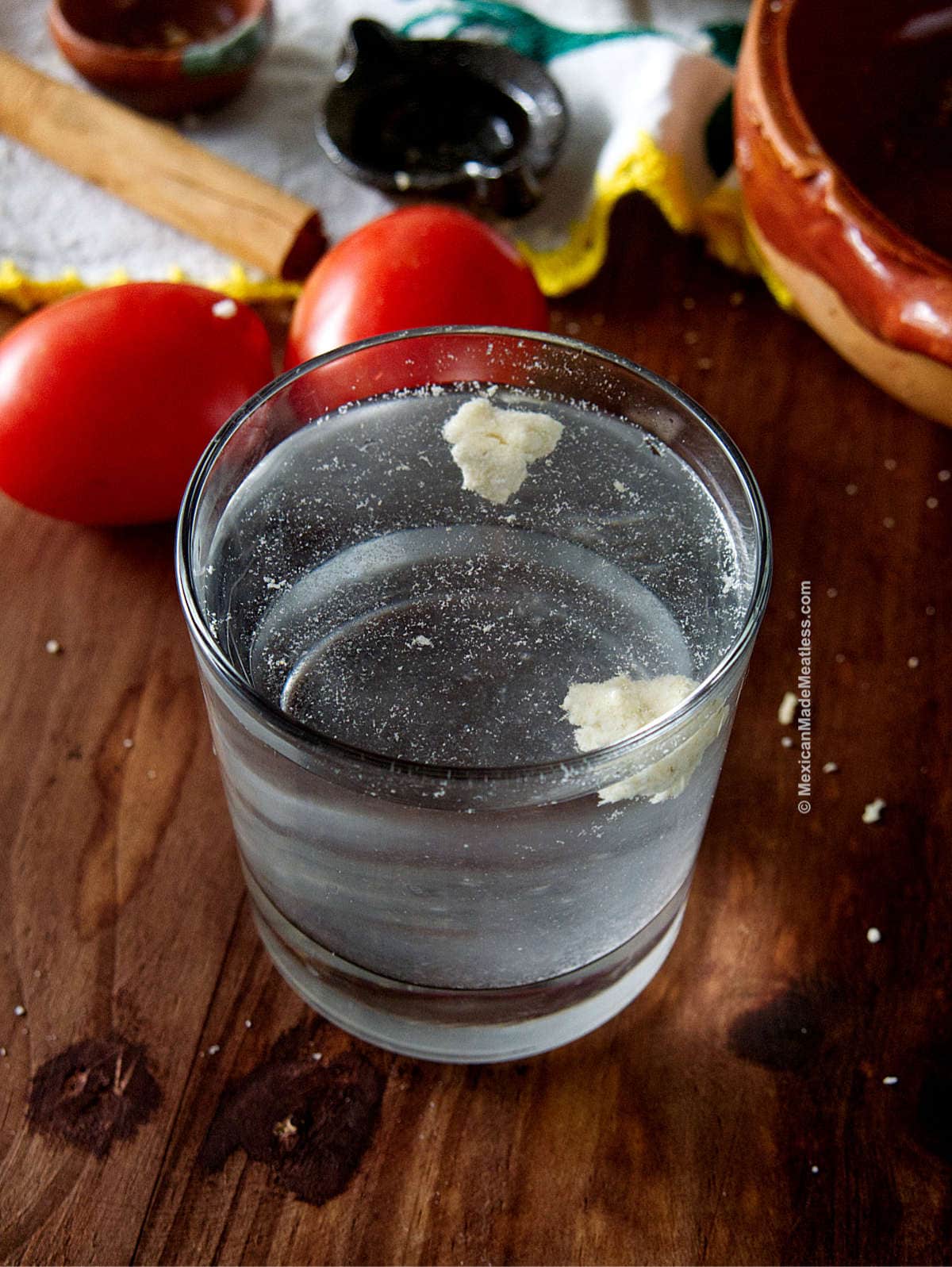
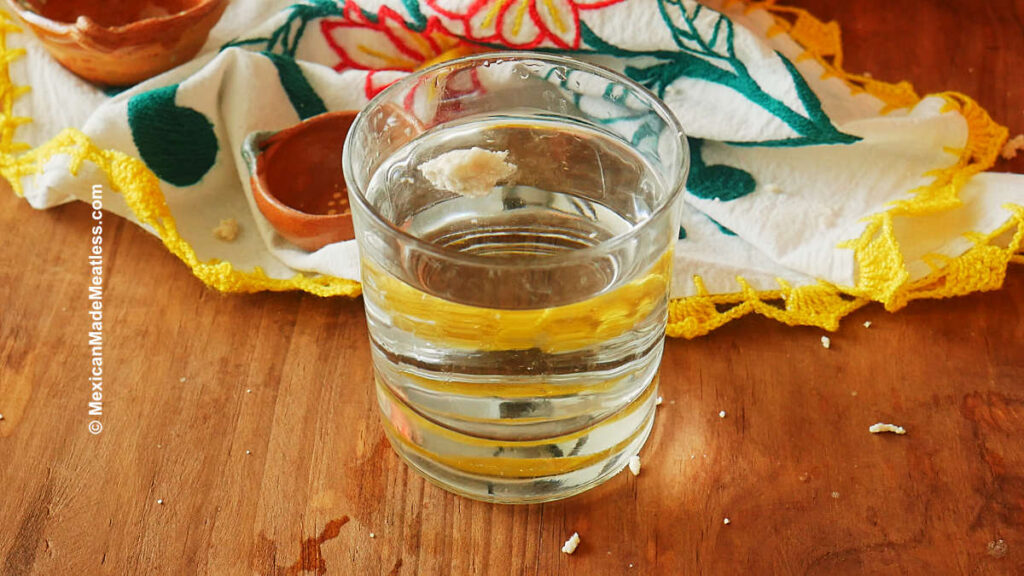
Should I do the masa float test?
Not necessary with oil-based masa. It doesn’t turn out as airy as masa made with whipped shortening, so the float test isn’t a reliable check here. If you want to learn more, see The Masa Float Test for Tamales.
Can I use this masa to make tamales with sweet fillings?
Yes. Adjust the recipe by adding a sweetener and swapping the vegetable broth for plant milk or dairy milk or fruit juice. You can also add spices, nuts, or fruit to the masa for sweet tamales.
Can I use this masa the next day?
Yes, you can prepare it the night before. It’ll be a bit denser the next day since the masa harina has had more time to hydrate, so just mix in a little more broth if needed.
Don’t Miss These Essential Tamale Making Tips
- Masa for Tamales | No Lard Recipe
- How to Prepare Corn Husks for Tamales
- The Masa Float Test for Tamales
- How to Spread Masa on Corn Husks for Tamales
- How to Fold Tamales
- How to Steam Tamales Without a Steamer
- How Long Does It Take to Cook Tamales on the Stove?
- 8 Best Ways to Reheat Tamales
- How to Cook Frozen Tamales
- How Long Do Tamales Last
- How to Store Tamales
- What to Eat with Tamales | 24 Tamales Side Dishes
Gracias
I’m so happy you stopped by. If you have any questions or want to let me know how you liked this recipe, do leave a comment. Muchas gracias, I appreciate you!


Tamale Masa Recipe with Oil
Video
Ingredients
- 1 lb masa harina I used Maseca brand masa for tamales
- 1.25 teaspoons baking powder (one and a quarter teaspoons)
- 1.5 teaspoons salt (one and a half teaspoons)
- ¾ cups vegetable oil* I used canola
- 3 to 5 cups vegetable stock** use your favorite brand or homemade
Instructions
- To a very large mixing bowl add in the masa harina, salt, and baking powder. Use your hand to incorporate the ingredients as best as possible.

- Make a well in the center of the masa harina. Pour in the oil and about one cup of the vegetable broth into the masa mixture.
- Start on low speed and begin mixing the ingredients. Gradually increase to medium-high speed and add the vegetable broth as needed until you have a tender masa with a consistency like smooth peanut butter.
- Remember to stop to scrape the bowl to ensure even mixing. The amount of broth you’ll need to add to achieve this texture will depend on the humidity in your kitchen and where in the world you live. See notes.
- Now your masa is ready to spread on soaked dried corn husks and add your favorite filling then steam, and lastly enjoy.



Recipe Notes & Pro Tips
Nutrition
(Please notice that this article contains Amazon affiliate links, which may earn us a small commission if you make a purchase through them. Your support helps us continue to provide valuable content.)

Nancy Lopez is a Mexican-born published cookbook author and recipe developer with 20+ years of cooking experience. Raised in the U.S. and now living in North-Central Mexico, she creates authentic vegan and vegetarian Mexican recipes rooted in tradition and tested for real home kitchens. Read more…